



 Accessoires IBC 1000 litres



 Couvertures Chauffantes



 Raccords Plomberie


 Bidons / Futs et raccords


 Semences
 Produits Phyto


 Jardin


 Espaces Verts




 Barbecue - Braséro - Cheminée

 Entretien

 Fluides & Climatisation


 Arrosage


How can we promote biodiversity in the garden?
How can we promote biodiversity in the garden?
Biodiversity is what allows all species in the garden to find their balance. To make animals, plants and microorganisms flourish, learn how to promote it! We'll tell you how.
Why is biodiversity important?
While many animal or plant species are threatening to disappear,maintaining the diversity of the living world is needed more than ever.
Indeed, each species present in a given environment contributes to its balance. This means that the more species in the garden, the healthierit will be, and the better equipped to deal with aggressions, including climate aggression.
In this diversity of species, we include all species. It is precisely the presence of some that will regulate the presence of others: hedgehogs, for example, are extremely fond of slugs, which they are greedy for our lettuces... The variety of life and the balance between pests and predators will be, in addition to being a guarantee of good health, the promise of a beautiful harvest!
Which species are most conducive to biodiversity?
Before embarking on major landscaping work, start by asking yourself the following question: do the plants that grow in my garden have an environment adapted enough to allow them to flourish?
If the plants grown in your garden grow spontaneously in your residential area, it means that it is rich in plants called natives... and that's good news!
Where so-called non-nativespecies, i.e. introduced into an environment by humans, can harm biodiversity by proving invasive, native plants are beneficial to their ecosystem because they are adapted to the harsh climate and the species with which they coexist.
As they have spent hundreds of years acclimatizing to their environment, they grow naturallythere ... Their development therefore requires less water, mulch and fertilizer. In short, they have everything good!
What are the facilities to promote biodiversity?
Some facilities help to promote biodiversity in the garden. Here are the most useful ones:
Planting hedges and multiplying shelters
Hedge trees and shrubs are shelters that wildlife(insects, and birds, among others) needs to thrive. If your garden doesn't have one, plant your choice - of course, with a preference for native species - sorbers, charms, maples, hawthorns, willows, etc. Be careful that the blooms are storied, so that each species in the ecosystem finds a suitable habitat area for them.
The important thing is that these areas of habitat are varied. To do this, make sure that the ground has hollows and bumps by building sand or earth embankments, installing stone walls, letting tall tufts of grass grow or conserving wasteland in some places.
If you picked up dead leaves in the fall, you can even leave a bunch of them in a corner of the garden! In addition to providing a quality mulch or compost, they will gladly welcome species that like to nest there. The same goes for the piles of wood, which are the favourite haunts of robins, beetles and lizards.
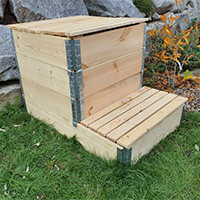
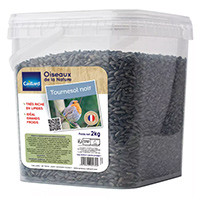
You can also leave at the disposal feeders to feed the birds, hotels to welcome them or a hut in pallets to house hedgehogs ... The main thing is to be a caring host!
Diversify areas of shadow and light
Easier said than done... But where some elements of the ecosystem have a significant need for light,others survive better in the shade.
Make sure there is something for everyone by recreating areas of undergrowth: the more plant and animal species in the garden, the less the gardener will need to look after the pests. The so-called biological auxiliaries - spiders, carabs, ladybugs, beetles, toads - will do it for him!
Set up a pond (without fish)
Installing a garden pond is part of the multiplication of the auxiliaries mentioned above. Make sure toads, frogs and dragonflies have a watering point to lay eggs. You will see the bees arrive to drink, the birds to wash. All this little world will find its happiness!
If the installation of a pond is favourable to the variety of species, the introduction of fish destroys biodiversity... You have to make a choice: it's either the whole ecosystem or the fish.
Focus on key plants
Some species play an inescapable role in maintaining biodiversity: honey-bearing flowers, for example, allow pollinating insects to feed as soon as winter is over.
The ivy,on the other hand, will regale turtles, syrphs and bees thanks to its late flowering... As you will understand, the important thing is that the flowering is spread over the longest possible period.
Choose natural fertilizers
Avoid chemicals that kill biodiversity. Instead, opt for natural fertilizers,such as compost. The latter is an amendment of excellent quality that will enrich the soil of your vegetable garden.
To protect biodiversity, you will also have to accept the presence of weeds... As long as they don't become invasive! In addition to playing a role in the food chain, they are not as bad as they are claimed: nettle, for example, is as useful for making purin as it is for making good soup.
On www.multitanks.com we offer a wide range of gardening accessories to maintain your garden. Please contact us for more information about our products.
Share this content