Accessoires IBC 1000 litres
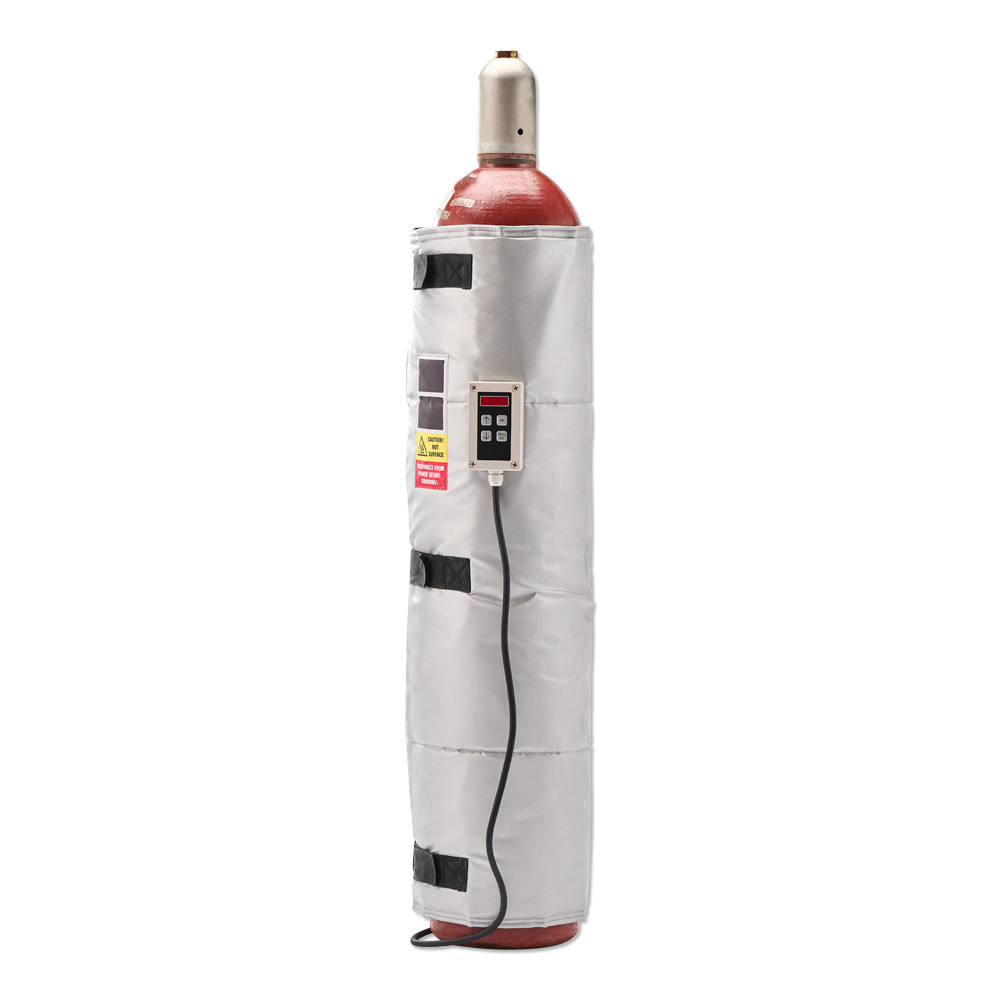
 Couvertures Chauffantes

 Raccords Plomberie
 Bidons / Futs et raccords

 Semences




 Produits Phyto


 Jardin




 Espaces Verts



 Barbecue - Braséro - Cheminée

 Entretien

 Fluides & Climatisation
 Arrosage


Greenpeace press release on HFO gases
here is the French translation of an excellent press release from Greenpeace on refrigerant gases, translated into French by [email protected] . Their findings clearly demonstrate that gases such as Duracool 12a are natural gases of the future, unlike HFOs, HFC ...
-------------------------------------------------------------------------------------------------
HFO: the new generation of Fluorés gas
Greenpeace press release
July 2016
____________________________________________________________________
With the global elimination of ChloroFluoroCarbones (CFCs) and HydroChloroFluoroCarbones (HCFCs) in accordance with the Montreal Protocol, governments are now working to reduce Emissions of HydroFluoroCarbones (HFCs) - replacing previous CFCs and HCFCs - by also integrating them into the Montreal Protocol regulatory regime.
HFCs, like their predecessors, are powerful greenhouse gases contributing to global warming, with a potential1 (GWP) thousands of times greater than that of carbon dioxide. These are the fastest-growing greenhouse gases "increasing at a rate of 10-15% per year". (i) It is estimated that, based on the current trajectory, if not corrected, "by 2050, annual HFC emissions could be equivalent to 12% of annual CO2 emissions"² ii,and that"continued growth in HFCs will raise the global average temperature increase by 0.1 degrees Celsius by mid-century, which will increase to 0.5 degrees Celsius by 2100." iii .
Greenpeace has been against the widespread adoption of HFCs since the early 1990s and supports the phasing out of these dangerous greenhouse gases under the Montreal Protocol. There is a growing consensus that HFCs should be phased out permanently.
To reduce all incentives for continued use of HFCs in developing countries and accelerate the phasing out of HFCs in industrialized countries, Greenpeace calls for a global elimination of HFCs by 2020 in all applications where safer and more sustainable alternatives exist.
Natural Substances: Sustainable Alternatives to HFCs
A key question is what alternatives will replace HFCs. Greenpeace advocates the adoption of environmentally friendly natural refrigerants such as CO22, HydroCarbones (HC), ammonia, water and air. Natural refrigerants and foaming agents, unlike fluorocarbons, are abundant in the biosphere, remain stationary, and are easily absorbed by nature.
Natural substances are available technically and economically usable in almost all cooling applications: domestic and commercial refrigeration, air conditioning, mobile air conditioning (cars, PL, TP, agricultural ...), industrial processes, blowing insulation foam. For an in-depth survey of global companies using cooling technologies using natural substances see the interactive databasewww.cooltechnologies.org
HFO: Unsustainable alternatives to HFCs
The chemical industry promotes substances called "HydrFluorOoléfines" or HFOs as replacements for HFCs. Chemically, HFOs are a form of HFCs, but because of the negative connotations that HFCs have acquired, this new class of chemicals is marketed under a different name. While HFOs have lower GWPs than the previous generation of HFC, they continue to be hazardous to the environment.
1The measure (global warming potential, or GWP) compares the potency of a greenhouse gas to carbon dioxide (CO2),which has a GWP of 1. So, for example, a Fluoré gas with a 100-year-old GWP of 1000 is 1000 times "better" in global warming over 100 years than CO2. Climate scientists can measure the effectiveness of a global greenhouse gas over a period of time. The measurement of GWP20 better reflects the actual power of HFCs on the atmosphere. Greenpeace calls on governments to use the 20-year measure when formulating the elimination of HFCs in climate policy.
2Despite its reputation as a greenhouse gas, CO2 has very positive characteristics as a refrigerant. It does not deplete the ozone layer and its GWP value is 1 (compared to thousands for a typical HFC). It is cheap and has good safety features (translator's note: with a running pressure 8 to 10 times higher). Its properties allow the design of smaller components and more compact systems with vehicle air conditioning and supermarket refrigeration as the main uses.
Greenpeace opposes the consumption of HFO, the fourth generation of fluorinated gases, for several reasons:
1. HCFCs are used to manufacture the most important HFO, called HFC-1234yf
The chemical industry was very secretive and exclusive owner on the chemical composition of HFOs. With insufficient industry transparency, governments are building long-term policies on information provided by FluoroCarbone manufacturers whose credibility is sorely lacking.
While the exact details of the chemical composition of HFO are shrouded in secrecy, it is known that HCFCs are a key ingredient in the production of the most important HFO, also known as HFC-1234yf. This means that the production of HCFCs, which are powerful ozone depleting substances and heat the globe, will need to be maintained in perpetuity to produce HFOs. iv A by-product of HCFC-22 production is HFC-23, which has a GWP of 14,000 and is regularly evacuated into the atmosphere at production facilities that have failed to install filtering capacity.
2. HFO blends have a high GWP
The industry creates HFO/HFC mixtures, where the mass of the main mixed compound is HFC-32 (at least 60%), with HFC-1234yf or HFC-1234ze as a minor component. These blended compounds are marketed as HFO,with their implicitly low GWP levels. However, during their atmospheric dissolutions, these mixtures return to their basic components and contribute to global warming on the basis of the high GWP of their respective initial components. For example, the 20-year and 100-year GWP of HFC-32 is 2330 and 675, respectively. v
In reality, the GWP of HFO mixtures are relatively high GWP compared to the GWP of natural refrigerants. The GWP for most HFO mixtures ranges from 150 to 1800, while the GWP for natural refrigerants is 0 for ammonia, 1 for carbon dioxide, 5 for propane and less than 20 for isobutane. vi
Given that there is now a scientific and political agreement that the median rise in temperature should not exceed 1.5oC from the pre-industrial level in order to avoid large-scale climate disasters, it is essential to avoid the use of substances whose contribution to global warming is greater than that of available alternatives.
3. HFOs and other HFCs produce toxic by-products during production and decomposition
When HFC-1234yf (commonly known as HFO-1234yf) decomposes in the atmosphere, it produces four to five times more TriFluoroAcétique (TFA) acid than the same amount of HFC-134a, the substance that is expected to be replaced in vii viii In sufficiently high concentrations, TFA is toxic to aquatic ecosystems. ix
This means that if HFC-1234yf (or another HFO) becomes the refrigerant of choice, the concentration of TFA in freshwater worldwide could increase dramatically, with unknown effects on ecosystem health and human health. TFA concentrations approaching one milligram per litre may be toxic to some forms of aquatic life. x
There are both natural and anthropogenic sources of TFA. The accumulation of TFA in the oceans is considered natural, while TFA in surface freshwater is considered to be from human sources. xi There are several industrial sources of TFA, including HFCs and HFOs.
The accumulation of TFA is expected to increase with the replacement of HFCs by HFOs, the replacement of HFC-134a with HFC-1234yf, for mobile air conditioning (Automobiles, PL...) and other applications. North American production of HFC-1234yf (for the mobile air conditioning sector) is expected to be 50 to 100,000 tonnes per year by 2050, with total cumulative production by this year of approximately 3,255,000 tonnes. xii
The verdict on the potential long-term damage caused to humans and the environment by the accumulation of TFA is still pending. Although current projections of TFA accumulation in the environment indicate that the degradation of HFCs and HFOs does not pose a risk to humans and the environment, additional attention to the formation of TFA from these sources is recommended because of the very long environmental lifespan of TFA. xiii
However, the maximum production level of HFOs is unknown. The industry will find new applications for its products. There will certainly be other sources of TFA accumulation through the large-scale use of HFOs, such as HFC-1234yf in other applications. xiv Alarmingly, "the HFO-1234yf is currently being introduced as a propellant for aerosols." xv
Questions remain. How much use of HFO will result in catastrophic levels of TFA accumulation? What is the level of tolerance for accumulation of TFA by nature? On the basis of what is already known, the precautionary principle must be applied. The wide range of HFO use must be reduced until the maximum allowable level of HFO production and the long-term impact of HFAs on the environment are fully understood. Given these uncertainties, governments should set maximum quotas at HFO production levels.
4. Toxic HFC-1234yf (also known as HFO) toxic in mobile air conditioning (cars, PL, TP, agricultural...)
HFC-1234yf is flammable. When it burns, it releases hazardous substances such as fluoridated hydrogen (HF). HF is highly toxic and potentially fatal to humans in unventilated spaces. If the flammability of a substance is not an obstacle to use as a refrigerant, the toxic by-product of a substance when it burns is of great concern to human safety. This could significantly increase the number of victims of road accidents in poorly ventilated areas such as indoor car parks and tunnels.
Greenpeace does not consider the flammability of a refrigerant to be an inherent obstacle to its use. Flammable refrigerants, such as HydroCarbones, in mobile air conditioning (cars, PL, TP, agricultural ...) are safe when used in uses, for example with secondary loop systems.
Although there are currently no HydroCarbones-based mobile air conditioners sold on the market for new passenger cars, Greenpeace estimates that overall, outside of any regulatory framework, up to 50 million cars may have been converted from CFC and HFC to HydroCarbones. xvi In these conversions, HydroCarbones are used as replacements. If HydroCarbons can be safely used as alternatives to existing mobile acclimatizations on a large scale, they could be used in equipment designed specifically for their use.
5. Higher HFO costs
The HFC-1234yf should be more than ten to twenty times (perhaps even more) more expensive than the HFC-134a. This will deter developing countries from eliminating HFCs. In addition, high costs are prompting maintenance technicians to return to HFC-134a. As HFCs are increasingly regulated (e.g. the EU Fluorinated Gas Regulations and the MAC xviiXvii Directive), the high price of HFO is likely to develop a black market for HFCs (as happened with the EFA in the 1990s).
Conclusions
- There is no need to use HFO.
HFOs do not provide long-term sustainable solutions. Natural substances are available and technically and economically usable in almost all refrigeration applications: domestic and commercial refrigeration and air conditioning, mobile air conditioning (cars, PL, TP, agricultural ...), industrial processes, insulation in foam blowing. xviii For a survey of cooling technologies using natural substances see the interactive database www.cooltechnologies.org.
Currently, technologies using natural substances are mainly used in industrialized countries, but there is no reason not to use them worldwide. Developing countries will have a great benefit of surpassing all HFCs, moving directly from HCFCs to long-term solutions offered by natural refrigerants and foam inflators.
Natural refrigerants offer the most durable alternatives; The development of HFOs will simply delay their deployment.
HFOs are patented by the chemical industry and, as with previous generations of fluorocarbons, developing countries will find themselves in a technological and commercial cul-de-sac if they choose to use them. With strong international and national regulation and financing mechanisms, as well as the action of global companies, the developing world can do without HFCs (including HFOs).
Governments must hold the chemical industry accountable: The chemical industry has a damaging approach with its CFC, HCF and HFC fluorocarbon products. They have caused widespread environmental damage and endangered life on the planet. While chemical companies have reaped massive profits from the sale of these products and the transition from one generation of fluorocarbons to the next, they have failed to help solve the global crises their products have caused. Clean-up costs have been left to the public purse. Governments should not repeat this model. There is no valid reason for governments to accept word for word industry claims regarding the safety and technological benefits of HFOs. Who will pay the costs of treating pollution if the large-scale production of HFOs leads to a new global crisis?
Greenpeace calls on governments to:
(a) require full transparency and disclosure by HFO manufacturers of the chemical composition of these HFO substances.
(b) prohibit the sale of any HFO that requires raw materials whose production results in the formation of super-greenhouse gases (e.g. HFC-23).
(c) set production quotas on HFOs so that industry reduces its commercial aspirations for these products.
(d) immediately prohibit the use of HFO in the form of aerosols.
(e) require the industry to commit to paying all treatment costs, through a liability contract, as large-scale production of HFO in the future is expected to cause serious environmental damage.
(f) list HFOs in the Annex of Controlled Substances of the Kigali HFC Agreement. The inclusion of HFOs in the schedule will allow accurate accounting of the volume of HFO produced and consumed, as well as the amount of TFA released into the environment and will enable reporting and licensing to help prevent the illicit trade in HFEs mislabeled HFAs.
(g) strongly support the adoption of natural-substance cooling technologies by: adopting modern standards and policies that reflect the current state of technology; financial incentives to encourage their rapid development and adoption; using government purchasing power for cooling technologies using natural refrigerants or other cooling methods that avoid fluorocarbon dependence.
Greenpeace calls on users of refrigeration and cooling technologies to:
Greenpeace is calling on multinationals to move their cooling applications away from fluorocarbons, including HFOs, and to use natural substances. Such measures are carried out by the companies (CocaCola, PepsiCo, Red Bull, Sab Miller and Unilever) that make up the initiative: refrigerants naturally! (http://www.refrigerantsnaturally.com/))
For more information, contact:
Greenpeace International
OtthoHeldringstraat 5
1066 AZ Amsterdam
The Netherlands
Tel: '31 20 7182000
greenpeace.org
------------------------------------------------------------------------------------
Translated into French by [email protected]
iVelders G. J. M, et al. (2012) Preserving Montreal Protocol Climate Benefits by Limiting HFCs, SCI. 335(6071): 922-923.
iiPrimer on HFCs: Institute for Governance - Sustainable Development: Working Paper: 6 July 2016: referencing VeldersG.J.M, et al (2014)
Growth of climate change commitments from HFC banks and emissions, ATMOS. CHEM.PHYS. DISCUSS. 14:4563, 4568
iiiPrimer on HFCs: Institute for Governance - Sustainable Development: Working Paper: 6 July 2016: referencing Xu Y., Zaelke D., Velders
G.J.M., Ramanathan V. (2013) The role of HFCs in mitigating 21st century climate change, ATMOS. CHEM.PHYS. 13:6083-6089
ivHCFC-225 ca (20-year GWP: 550, ODP: 0.07) and HCFC-225 cb (20-year GWP: 1700, ODP: 0.03) - US patent no. 7,470,828 B2
vIPCC Fourth Assessment Report
viReport of the Technology and Economic Assessment Panel of the Montreal Protocol: "Further Information on Alternatives to Ozone-Depleting
Substances": March 2016; pages 13-17
VIIEPA Proposed Ruling on HFO 1234yf (2009). Available at http://www.epa.gov/ozone/downloads/NPRMHFO1234yf.pdf
VIIUNEP Environmental Effects Assessment Panel: Sources. Fates.Toxicity, and Risks of Trifluoroacetic Acid and Its Salts: Relevance to
Substances Regulated Under the Montreal and Kyoto Protocols: report published in the Journal of Toxicology and Environmental Health B,
2016: DOI: p 7
ixBoutonnet et al. Environmental risk assessment of trifluoroacetic acid. Human and Ecological Risk Assessment, 5(1), 59-124.
x IPCC/TEAP Special Report on Ozone and Climate, Chapter 2, p.22
xi UNEP Environmental Effects Assessment Panel: Sources. Fates.Toxicity, and Risks of Trifluoroacetic Acid and Its Salts: Relevance to
Substances Regulated Under the Montreal and Kyoto Protocols: report published in the Journal of Toxicology and Environmental Health B,
2016: DOI: p 5
xiiIbid. 6
xiiiIbid. p. 20
xivKTH: Sweden Department of Energy Technology: "The potential dangers of TFA": November 01, 2015:
https://www.kth.se/en/itm/inst/energiteknik/forskning/ett/projekt/koldmedier-med-lag-gwp/low-gwp-news/potentiella-faror-med-trifluorattiksyra-tfa-
1.602615
xv Ibid. p. 7
xvi Estimate based on: (a) "MACs releases Refrigerant Survey Results", Mobile Air Conditioning Society Worldwide, Lansdale PA, USA, October
2002, p. 2; (b) Professor Ian Maclaine Cross of the University of New South Wales, "Use and Risk of Hydrocarbon Refrigerants in Motor Cars
for Australia and the United States", International Journal of Refrigeration,Vol. 27, No. 4, 2004, pp.339M345; and (c) annual growth rates and
direct stakeholder consultations
xviihttp://ec.europa.eu/clima/policies/f-gas/legislation/index_en.htm
xviiiColbourne D (2009). Opportunities for the application of Natural Refrigerants, in the GTZ publication Natural Refrigerants; Pachai AC et al. Achieving the green dream by the use of natural refrigerants
Share this content