



 IBC 1000 L accessories
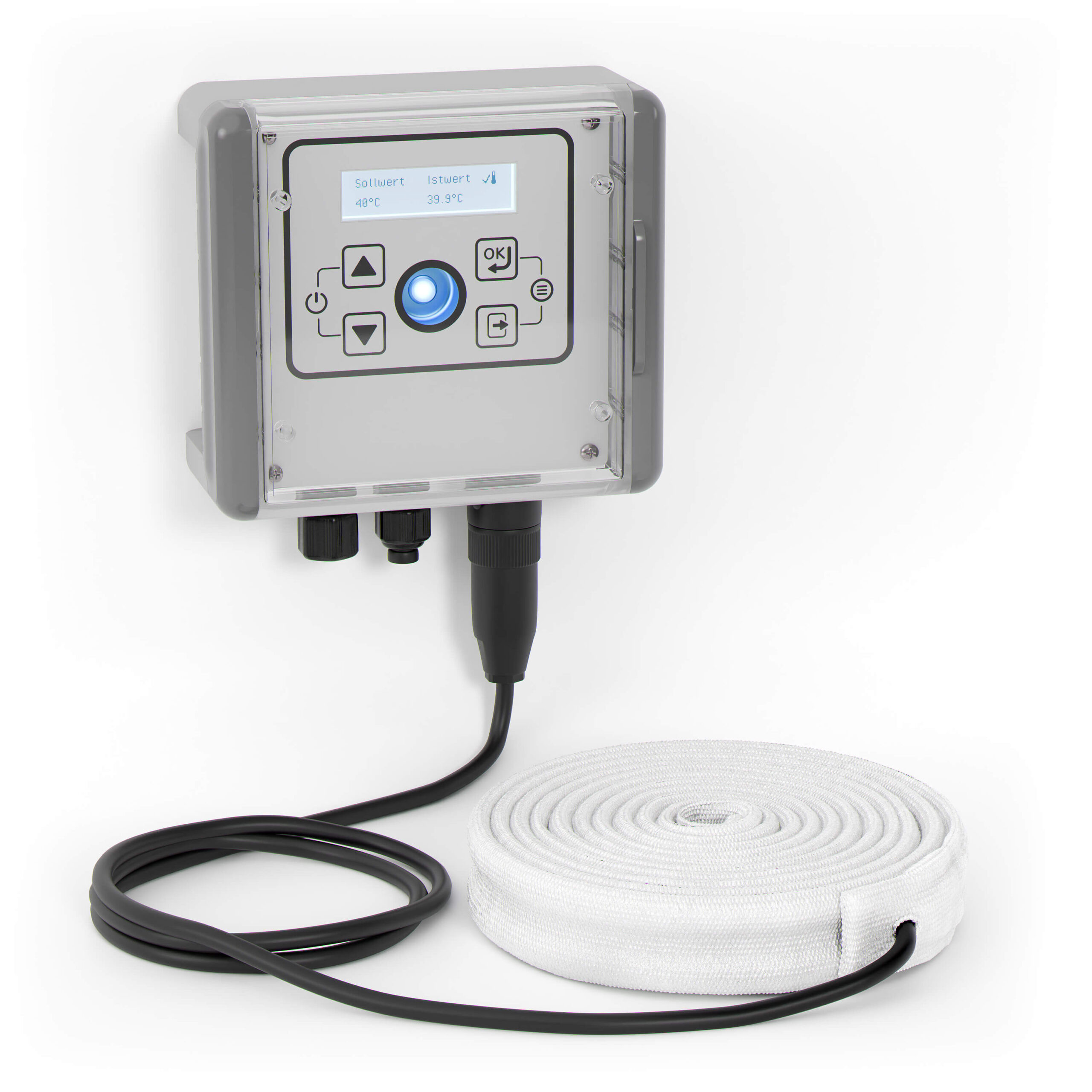
 Heating jackets
 Fittings
 Drums, jerrycans & fittings
 Seeds
Seeds 





 Plant protection & biocides



 Garden




 Green spaces & municipal


 Barbecue, fire pit & fireplace

 Cleaning & care

 Refrigerants & air conditioning
 Watering
My AC no longer cools: diagnosis before recharging
❄️ IDENTIFYING FAILURE SYMPTOMS
An air conditioner that no longer cools generally shows several warning signs that should be carefully observed. The air blown may be lukewarm or even hot, despite being set to the minimum temperature. Airflow may also decrease noticeably, making the atmosphere stuffy even after several hours of operation.
Abnormal noises are also valuable indicators. A struggling compressor, unusual hissing or repeated banging sounds may reveal a malfunction in the refrigeration circuit. Observing frost formation on the pipes, or conversely, a complete absence of condensation, provides additional clues about the condition of the system.
Power consumption is another parameter to monitor. A failing system may consume more energy for poor results, or conversely, show abnormally low consumption if certain components are no longer functioning correctly. This preliminary analysis directs the diagnosis toward the areas most likely to be affected.
🔍 VISUAL INSPECTION OF THE REFRIGERATION CIRCUIT
Visual examination of the refrigeration circuit is the first step in a rigorous diagnosis. Exposed pipes, fittings and seals must be carefully inspected to detect any traces of oil or leaks. These greasy marks, often accompanied by dust, generally indicate refrigerant escaping from the system, which compromises its efficiency.
The condition of the filter driers deserves particular attention. These components, essential for proper circuit operation, can become saturated and cause significant restrictions. A clogged filter generates abnormal temperature differences between the inlet and outlet, perceptible to the touch on accessible pipes.
Condensers and evaporators also require thorough inspection. The accumulation of dust, leaves or debris on the fins considerably reduces heat exchange. Careful cleaning can sometimes restore a large part of performance without requiring more complex intervention. This preliminary check prevents confusing a maintenance issue with a major technical failure.
⚡ ELECTRICAL COMPONENT INSPECTION
The electrical system plays a crucial role in the optimal operation of an air conditioning installation. The compressor, the true heart of the refrigeration circuit, must be tested first. A multimeter can be used to check winding continuity and detect any short circuits or breaks. Resistance values must match manufacturer specifications to ensure optimal operation.
The fans of both the outdoor and indoor units also require thorough checking. Their proper operation directly conditions the efficiency of heat exchange. A failing fan can cause the compressor to overheat and compromise the entire system. Examination of electrical connections, often affected by moisture and corrosion, frequently reveals contact problems.
Temperature and pressure sensors directly influence system regulation. A faulty sensor can distort the information transmitted to the control system, causing unexpected shutdowns or operation in degraded mode. Checking these components, often overlooked, can identify malfunctions that only require a simple replacement rather than major work on the refrigeration circuit.
📊 PRESSURE AND TEMPERATURE MEASUREMENTS
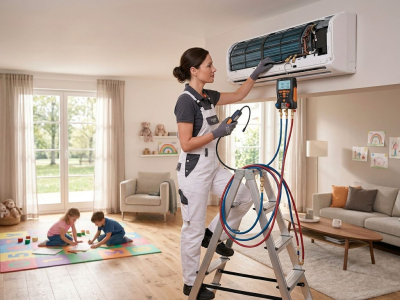
Pressure analysis is one of the most revealing diagnostics for assessing the condition of a refrigeration circuit. Gauges connected to the high and low pressure ports provide crucial information about the refrigerant charge level. Abnormally low pressures on both sides generally indicate a significant leak, while normal high pressure with excessively low pressure on the low side suggests a restriction in the circuit.
Temperatures measured at different points in the circuit effectively complement pressure analysis. The superheat temperature at the compressor inlet and the subcooling temperature at the condenser outlet provide precise information about the quantity of refrigerant present in the system. These values, compared with manufacturer data, help determine whether a recharge is necessary or whether other problems are the cause.
Using an infrared thermometer greatly facilitates these measurements without requiring disassembly. Abnormal temperature differences between different sections of the circuit often reveal partial blockages or component failures. This non-invasive approach allows subsequent interventions to be precisely targeted and avoids unnecessary disassembly. A complete thermal diagnosis can also detect insulation problems or thermal bridging that affect the overall efficiency of the system.
| Observed symptom | Probable cause | Recommended action |
|---|---|---|
| Low pressure on HP and LP | Significant refrigerant leak | Find and repair leak before recharging |
| Normal high pressure, very low LP | Circuit restriction (filter, capillary) | Replace blocked component |
| Normal pressures, no cooling | Electrical or regulation problem | Check compressor and sensors |
| Excessive superheat | Low refrigerant or suction restriction | Check level and clean evaporator |
🛠️ TESTS WITH SPECIALISED TOOLS
Using professional refrigeration tools transforms an approximate diagnosis into a precise and reliable analysis. The electronic leak detector locates refrigerant escapes with precision, even the smallest ones that escape visual inspection. These remarkably sensitive devices detect concentrations in the order of a few parts per million and point directly to the area requiring repair.
The vacuum pump is an indispensable tool for evaluating circuit tightness after repair. A prolonged vacuum test reveals the presence of any micro-leaks that would quickly compromise a new refrigerant charge. This step, often neglected in haste, nonetheless determines the longevity and effectiveness of the repair.
The refrigerant analyser adds a further dimension to the diagnosis by precisely identifying the composition of the refrigerant present in the circuit. This analysis detects any mixing, contamination or degradation that requires a complete drain before recharging. The use of modern ecological refrigerants makes this verification essential to ensure optimal performance and comply with environmental regulations in force in 2026.
🔧 ACTION PLAN BEFORE RECHARGING
Once the complete diagnosis has been carried out, establishing a structured action plan avoids disorganised interventions and premature recharges. The first priority is always to repair all identified leaks, even the most minor ones. A recharge carried out on a non-airtight circuit represents a waste of costly refrigerant and avoidable environmental pollution.
Replacement of faulty components must precede any circuit recharging. Saturated filter driers, defective expansion valves or failing sensors compromise system efficiency and can damage other components. This preventive approach, although involving a higher initial investment, ensures a lasting repair and avoids repeated interventions.
Final verification of tightness by nitrogen pressure test validates the effectiveness of repairs before the actual recharging phase. This crucial step, carried out at a pressure higher than normal operating pressure, ensures the absence of new leaks. Following this procedure guarantees an effective and lasting recharge, fully justifying the investment in refrigerant and intervention time.
❄️ Air Conditioning Diagnosis Calculator
Identify the probable cause of your breakdown based on observed symptoms
Share this content