IBC 1000 L accessories
 Heating jackets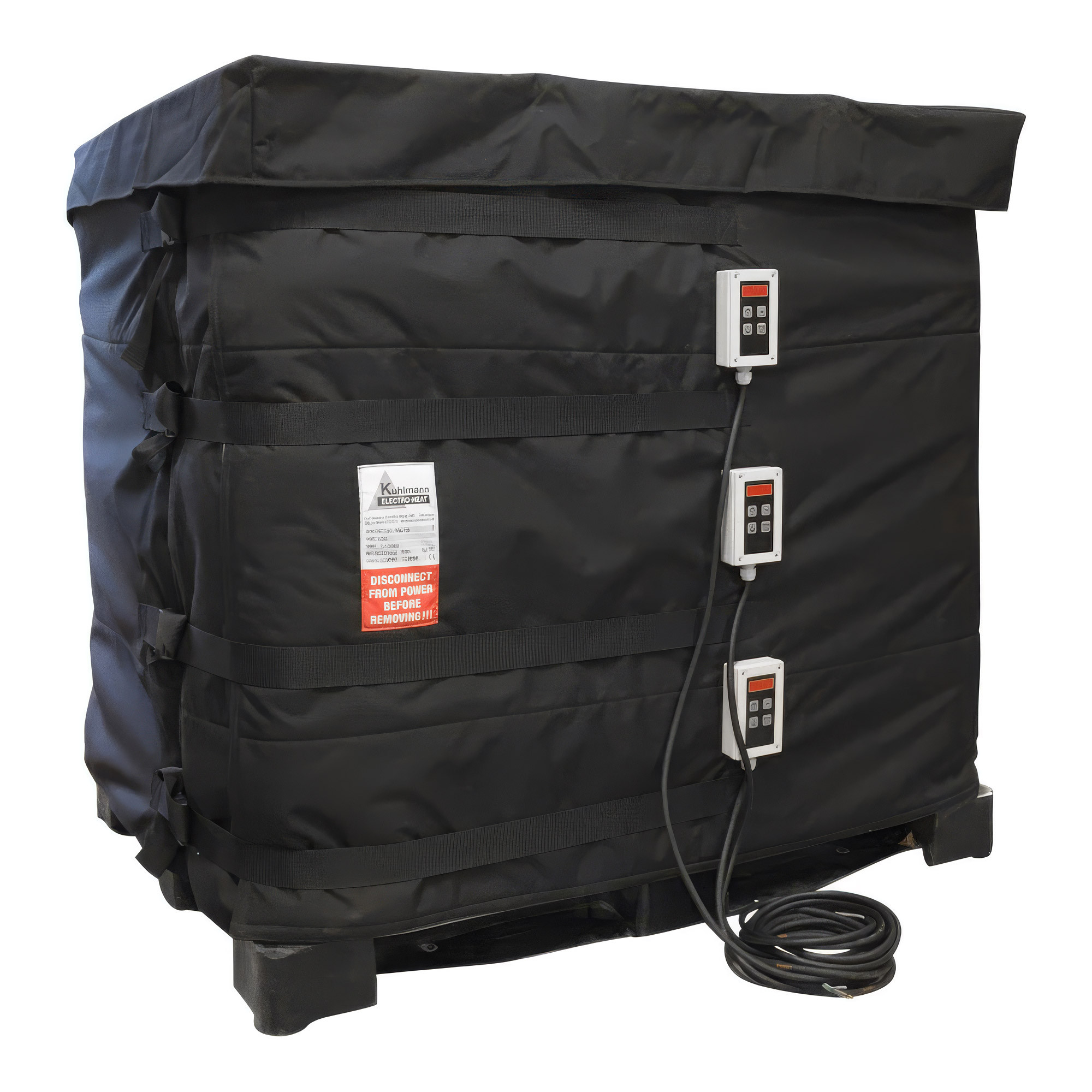
 Fittings
 Drums, jerrycans & fittings
 Seeds
Seeds 




 Plant protection & biocides

 Garden



 Green spaces & municipal

 Barbecue, fire pit & fireplace
 Cleaning & care
 Refrigerants & air conditioning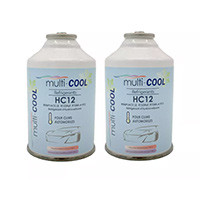
 Watering
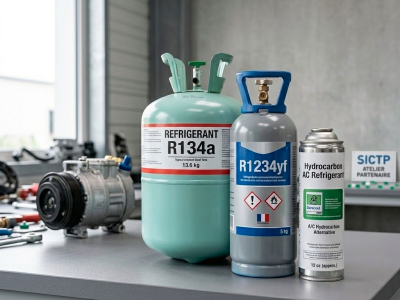
Duracool 12a, R134a or R1234yf: the car AC refrigerant comparison
Your air conditioning runs out of refrigerant, and suddenly your mechanic is talking about R134a, R1234yf, or a friend recommends Duracool 12a. Depending on your car's age, the refrigerant is different, the recharge cost can vary threefold, and opinions on hydrocarbon alternatives are as divisive as they are informative. This article is an honest, educational comparison of these three refrigerants — so you can understand which one applies to your situation, its real advantages and its limitations, without any spin.
❄️ THREE REFRIGERANTS, THREE GENERATIONS OF AIR CONDITIONING
For decades, automotive air conditioning relied on R-12, a chlorofluorocarbon (CFC) with a GWP exceeding 10 000, whose impact on the ozone layer led to its ban in the 1990s. Its successor, R134a, a hydrofluorocarbon (HFC), equipped virtually the entire vehicle fleet until the 2010s. It does not destroy the ozone layer, but its global warming potential (GWP) of approximately 1430 put it in the crosshairs of European regulation. From 1 January 2017, the MAC Directive made it mandatory to use a refrigerant with a GWP not exceeding 150 in any new vehicle registered in the European Union.
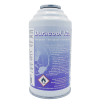
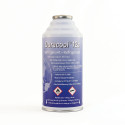
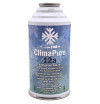
It is in this regulatory context that R1234yf emerged, a hydrofluoroolefin (HFO) with a GWP of approximately 4 — making it virtually climate-neutral. Today, every vehicle that has come off the production line since 2017 is fitted with it as standard. Alongside these two generations of fluorinated refrigerants, Duracool 12a offers a third option: a hydrocarbon blend based on propane and isobutane, also with a GWP of approximately 3, designed as an alternative for empty circuits. Explore the full range of ecological refrigerants available at Multitanks to discover your options.
Before going into detail on each criterion, the table below provides a summary overview of these three refrigerants across the dimensions that truly matter: climate impact, safety, cost, compatibility and legal framework. The aim is not to crown an absolute "winner", but to help every driver understand where their situation stands.
| Criterion | Duracool 12a (hydrocarbon) | R134a (HFC) | R1234yf (HFO) |
|---|---|---|---|
| Family | Propane / isobutane | Hydrofluorocarbon | Hydrofluoroolefin |
| GWP (climate impact) | ≈ 3 | ≈ 1430 | ≈ 4 |
| ASHRAE safety class | A3 (flammable) | A1 (non-flammable) | A2L (mildly flammable) |
| In case of combustion | No hydrofluoric acid | May release HF | May release HF |
| Vehicles concerned | Empty circuit (retrofit) | Pre-2017 | New vehicles since 2017 |
| Recharge cost | Low | Moderate | High |
| Manufacturer approval | No | Yes (existing fleet) | Yes (mandatory for new) |
| Purchase by individuals | No licence required (empty circuit) | Regulated (fluorinated gas) | Regulated (fluorinated gas) |
🌡️ CLIMATE IMPACT: GWP, A DECISIVE CRITERION
GWP — Global Warming Potential — measures a gas's contribution to the greenhouse effect relative to CO2, which is used as the reference value of 1. The higher the figure, the more harmful the refrigerant is to the climate if it escapes into the atmosphere. A leak of R134a is therefore equivalent, in climate terms, to 1430 times the same mass of CO2: that is considerable. On this criterion, the verdict is unambiguous — R134a is the worst performer of the three, and it is precisely this reason that prompted European legislators to ban it from new vehicles.
By contrast, R1234yf and Duracool 12a are both remarkably virtuous, with respective GWPs of approximately 4 and 3. For scale, the old R-12, which had to be urgently banned, exceeded 10 000. Both of these modern alternatives therefore meet the most stringent climate requirements. The difference between them does not lie on this ground: it lies in safety, cost and compatibility with your system.
💶 COST: THE KEY BATTLEGROUND
This is often the discovery that drives drivers to seek alternatives: recharging the air conditioning of a vehicle fitted with R1234yf costs significantly more than on an older model. Why? R1234yf is a patented refrigerant, produced by a limited number of manufacturers, which keeps its price structurally high. Recharging a recent vehicle represents a cost unhesitatingly described as "high" in workshops. The share of the refrigerant itself in the total bill is significant, and this is immediately reflected in the quote.
R134a, for the pre-2017 fleet, remains at a cost level described as moderate: the refrigerant is widely available, the market is mature and competitive. It is the logical and sensible continuation for vehicles that were originally equipped with it. Duracool 12a, meanwhile, positions itself as the most economical solution: the refrigerant is not patented, and above all, the quantity needed to fill a circuit is well below that of a conventional fluorinated refrigerant. A small 170-gram canister replaces a significantly larger charge of R134a, which correspondingly reduces the amount of product to purchase. Lower operating pressures may also contribute to a slight reduction in compressor load, though this advantage should be assessed on a case-by-case basis. Check out the refrigeration tools needed for a proper, professional intervention.
Mandated on new vehicles since 2017, R1234yf offers a near-zero GWP (≈ 4) and is fully manufacturer-approved. Its patented nature and limited availability make it the most expensive refrigerant to recharge. On a recent vehicle, there is no legal alternative: it is the specified and only permitted refrigerant.
Standard on pre-2017 vehicles, R134a remains accessible and widely available. Its high GWP (≈ 1430) makes it a refrigerant at the end of its regulatory life for new vehicles, but its use is perfectly legal and logical on older vehicles. Recharge costs remain moderate, and the refrigerant is fully manufacturer-approved.
A hydrocarbon with GWP ≈ 3, Duracool 12a is the most economical, non-patented solution. It is suited to a circuit entirely purged of all fluorinated refrigerant, with full awareness of its constraints: A3 flammability, no manufacturer approval. Find it in the ecological refrigerants category.
🔥 SAFETY: AN HONEST AND BALANCED ASSESSMENT
The ASHRAE classification establishes three flammability levels for refrigerants, and each of the three gases in our comparison occupies a different tier. R134a is classified A1: non-flammable and of low toxicity, making it the safest to handle from this perspective. R1234yf is classified A2L: mildly flammable, but difficult to ignite under normal conditions. Vehicle manufacturers integrated this constraint from the design stage of the vehicles concerned, with dedicated procedures and equipment to ensure safe handling. R1234yf is therefore not inherently dangerous; it simply requires an adapted protocol.
Duracool 12a, composed of propane and isobutane, falls under class A3: it is the most flammable of the three. This requires clear handling precautions: work in a well-ventilated space, keep all ignition sources and open flames away, and never attempt an improvised intervention. This point should neither be minimised nor overstated — hydrocarbons have been used in domestic and commercial refrigeration for decades, but their automotive use demands particular rigour.
It would, however, be incomplete to overlook the safety downside of fluorinated gases. Both R134a and R1234yf can release hydrofluoric acid (HF) when exposed to a flame or a very hot surface — a toxic and corrosive substance. This very real risk is managed in workshops through protective equipment and professional procedures. Hydrocarbons, by contrast, do not produce hydrofluoric acid — but they ignite more easily. Each refrigerant therefore has its own risk profile, and safety lies above all in understanding that profile and respecting the associated precautions.
🔌 COMPATIBILITY: BEWARE OF CONFUSION
A technical detail that is often overlooked: R134a and R1234yf are not interchangeable, and this is no accident. The service ports of the two systems were deliberately differentiated to prevent any confusion during recharging. The lubricating oils required are also of different grades (PAG oils specific to each refrigerant), and the very design of the circuits differs between A1 and A2L standards. Attempting to substitute one for the other is a technical and regulatory error to be avoided at all costs. For interventions requiring specific fittings or adapters, always ensure compatibility with the refrigerant in use.
Duracool 12a, meanwhile, is positioned as a retrofit solution for entirely empty circuits. It must never be mixed with a fluorinated gas already present in the circuit: this would be dangerous and counterproductive. If the vehicle was previously fitted with R-12 (pre-1995) — the old CFC — a prior overhaul is necessary: replacement of compatible seals, the dryer and the oil, in order to ensure the circuit's mechanical compatibility with the new refrigerant. A fully purged R134a circuit can also be converted by following the same principle of rigour. Also explore the automotive parts and supplies useful for these interventions.
⚖️ LEGALITY: WHAT YOU CAN AND CANNOT DO
French and European regulations strictly govern the handling of fluorinated gases. Both R134a and R1234yf are subject to the F-Gas Regulation: their purchase, handling, recovery and recharging can only be carried out by technicians holding a certificate of competence, in accordance with the relevant legislation. Any intervention on a circuit still containing fluorinated refrigerant — including the simple prior recovery before a conversion — falls exclusively under the remit of a certified professional. This is not a matter of opinion but a legal obligation.
The case of Duracool 12a is different: as a hydrocarbon, it does not fall within the scope of fluorinated gases. Its purchase and use do not require a licence, provided the intervention is carried out on a circuit entirely purged of all fluorinated refrigerant. This distinction is crucial: if the circuit still contains R134a, its prior evacuation must be entrusted to a professional before any intervention with Duracool. Furthermore, Duracool 12a is not manufacturer-approved: its use remains outside official specifications, which may have implications and must be undertaken with full awareness.
❄️ Multitanks expert advice
The right refrigerant is not a matter of opinion: first and foremost, it is what your vehicle requires. Check the label under the bonnet, near the compressor or condenser: it indicates the specified refrigerant and the nominal charge. If your vehicle left the factory after 2017, only R1234yf is specified. If it is a pre-2017 model, R134a is the logical continuation. Duracool 12a is an economical, low-GWP option for those wishing to convert an entirely empty circuit, while accepting its constraints: A3 flammability, no manufacturer approval, and the legal requirement to entrust the prior purging to a certified technician if the circuit still contains fluorinated refrigerant. Visit the refrigeration tools category for the necessary equipment.
🧭 WHICH ONE FOR WHOM: THE PRACTICAL CONCLUSION
If you drive a vehicle manufactured since 2017, the question does not arise: your air conditioning necessarily runs on R1234yf, and only this refrigerant can legally be used to recharge it. The higher cost is the counterpart of a near climate-neutral refrigerant, and manufacturers have designed their systems to handle the A2L class safely. There is no legal or technical alternative on this type of vehicle.
For drivers of pre-2017 vehicles fitted with R134a, the logical continuation remains this same refrigerant: moderate cost, wide availability, full compatibility with the original circuit. R134a does admittedly have a high GWP, but it remains perfectly legal on the existing fleet. It is the sensible solution for those who do not wish to modify their system.
Duracool 12a is aimed at a more informed profile: someone who has an entirely empty circuit — after professional purging or following a breakdown that emptied the system — and is looking for an economical solution with a low climate footprint. The advantage is real: reduced refrigerant cost, near-zero GWP, non-patented refrigerant. But the decision must be made with full awareness of the limitations: A3 flammability requiring strict precautions, absence of manufacturer approval, and a legal framework to be observed to the letter. The comparison has no universal answer; it has an answer tailored to each situation.
Share this content