



 Accessoires IBC 1000 litres
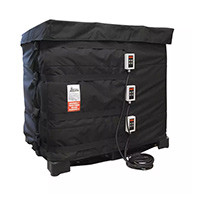
 Couvertures Chauffantes
 Raccords Plomberie
 Bidons / Futs et raccords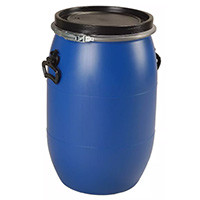
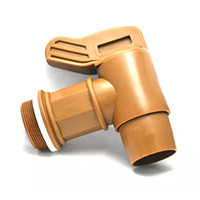
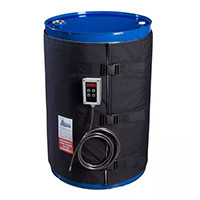
 Semences





 Produits Phyto



 Jardin




 Espaces Verts



 Barbecue - Braséro - Cheminée
 Entretien

 Fluides & Climatisation

 Arrosage

Rainwater recovery: what does the law say?
What are the laws relating to the use of rainwater and the installation of a water collector? The answers.
Did you know that? In France, the recovery of stormwater is regulated by thedecree of 21 August 2008. For example, if you want to collect rainwater, it is mandatory to follow certain rules regarding its use and the installation of a waste picker. We'll explain which ones.
What are the permitted uses of rainwater?
The only uses permitted by law for rainwater are "outdoor" uses such as:
- Watering plants/flowers;
- Washing vehicles;
- Terrace washes, etc.
Inside the home, stormwater uses are limited to:
- Evacuation of toilet flushes;
- Washing the floors.
Note: Rainwater can be used on an experimental basis for washing laundry, subject to proper water treatment. Ask your town hall.
The prohibited use of rainwater
Remember that rainwater is non-drinking water. Contaminated by various chemical and microbiological elements, it does not respect the quality limits set by the public health code to be "drinkable". Therefore, it is forbidden to use rainwater for human or food consumption,in other words to:
- Drinks (drinking);
- Food preparation;
- Washing dishes;
- Personal hygiene.
Also, the law prohibits certain establishments from using rainwater indoors (regardless of use). This is the case for health, social and medical-social institutions and accommodation for the elderly. But also medical and dental practices, medical biology laboratories and blood transfusion facilities. Finally, all indoor use of rainwater is prohibited in nurseries and kindergartens and elementary schools.
Also be aware that if a roof contains asbestos cement or lead, the use of stormwater is prohibited inside a home.
Rainwater recovery: regulations
According to section 641 of the Civil Code, "every owner has the right to use and dispose of the stormwater that falls on his fund." But, not in any way! The law specifies that rainwater recovery must be done exclusively downstream of an inaccessible roof (except to ensure its maintenance and maintenance). Your facility must therefore take these regulations into account.
Then, to recover and store rainwater, a specific installation is needed. You must install a rainwater recovery tank, also known as a "water collector." There are vats above ground or buried, to choose according to your needs and desires. This facility (tank and filtration system) must be maintained regularly. Finally, the law states that free access to public service officers must be left so that they can carry out a control of the facility.
Specific rules also apply when using rainwater inside the home:
- Access faucets must be identified and be able to be locked and opened with a specific tool, not permanently attached to the faucet;
- A signpost marked "non-drinking water" with a pictogram must be displayed next to each rainwater draw and rainwater-fed toilet;
- A declaration in the town hall is mandatory if the facility is connected to the collective sewerage system (discharge of wastewater into the sewers).
Want to learn more about regulation? Contact us!
Share this content