Accessoires IBC 1000 litres
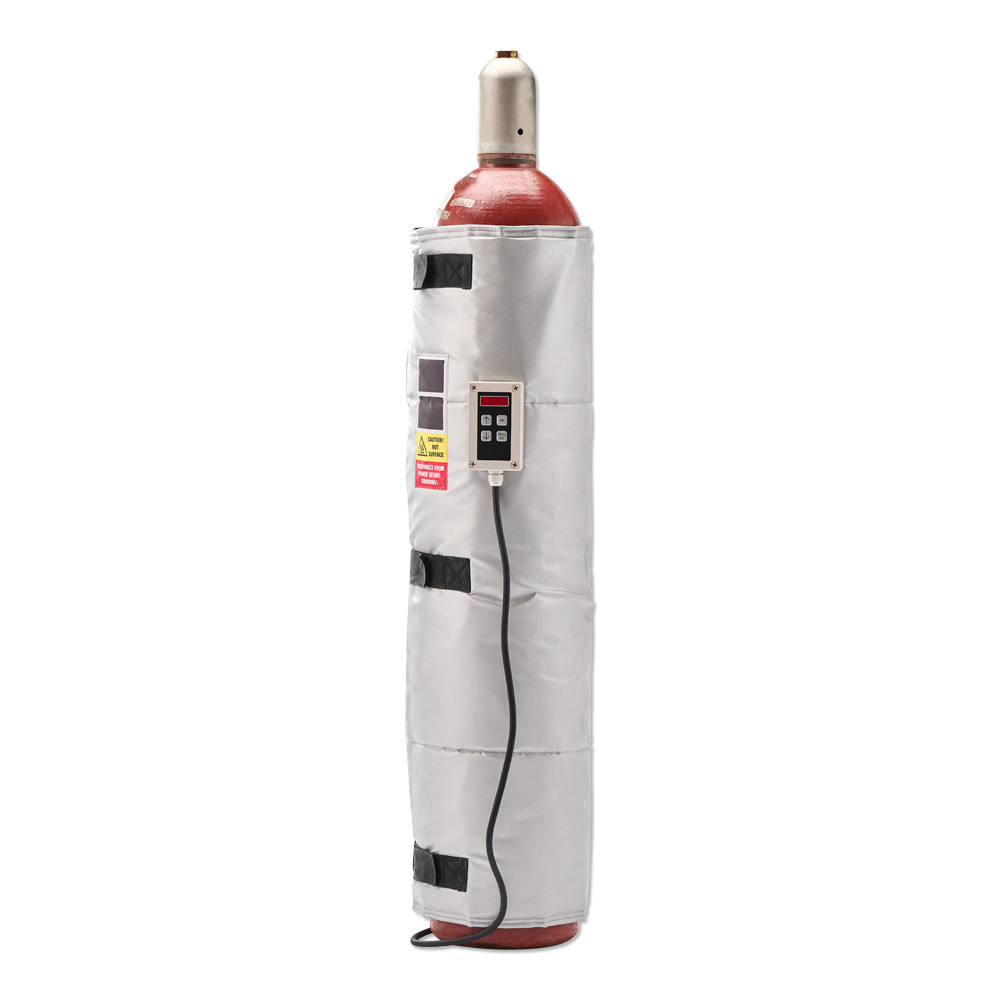
 Couvertures Chauffantes

 Raccords Plomberie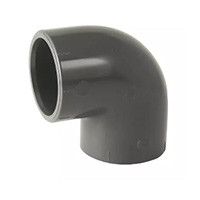
 Bidons / Futs et raccords
 Semences
 Produits Phyto

 Jardin


 Espaces Verts

 Barbecue - Braséro - Cheminée
 Entretien

 Fluides & Climatisation
 Arrosage
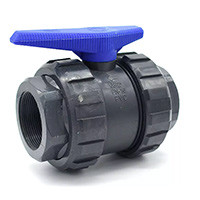
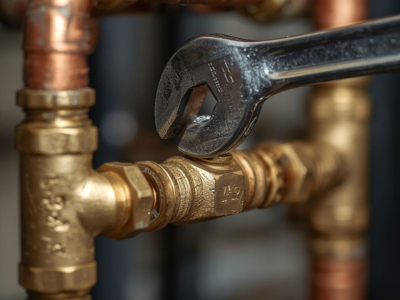
PE pipe fitting: Plastic or Brass, which one to choose? The Guide
PE pipe connection: Plastic or Brass compression, which fitting to choose?
Polyethylene (PE) pipe has become the go-to standard for transporting water, whether it's to power a house, irrigate a garden or run a farm. But one question comes up systematically on the construction site: should plastic (polypropylene) fittings or brass fittings be used?
While the neophyte is often tempted by the attractive price of plastic, the professional knows that the choice of material depends on precise technical constraints: pressure, location, lifespan and budget. In this comprehensive guide, we analyze these two solutions to help you achieve a reliable and leak-free installation.
1. The Plastic Compression Fitting: Accessible Versatility
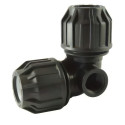
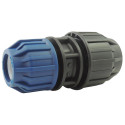
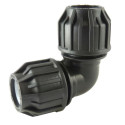
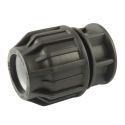
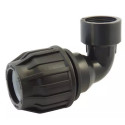
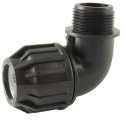
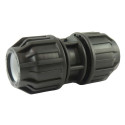
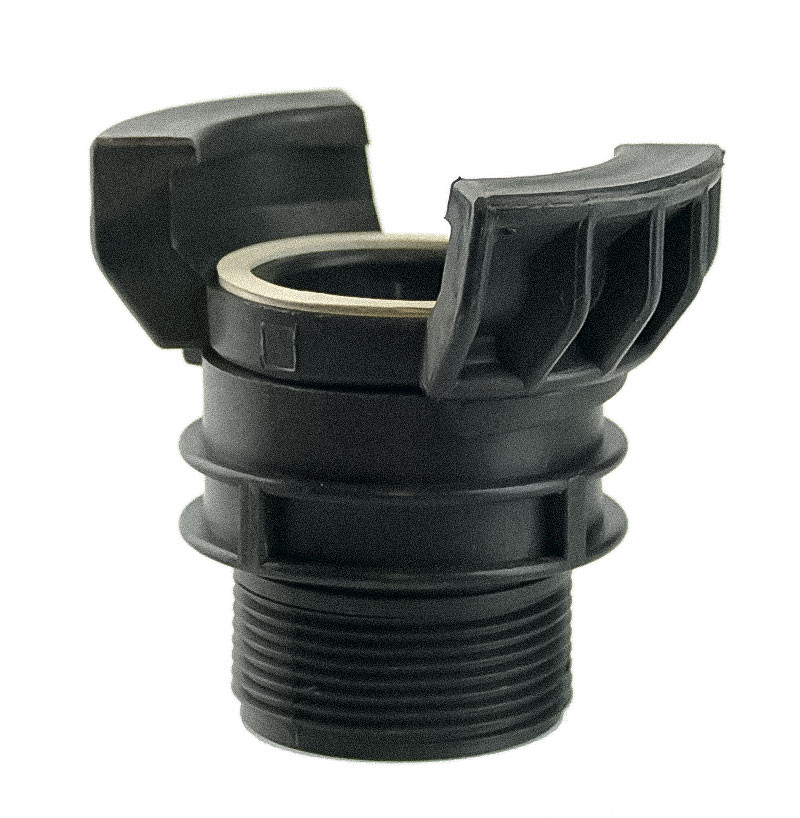
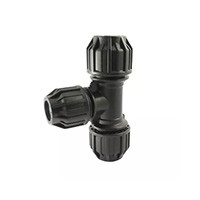
The plastic compression fitting (usually high-density polypropylene) is the ideal companion for irrigation and irrigation networks. Its operation is based on a simple but formidable mechanical principle: a fitting body, an O-ring for sealing, a cramping ring (white, often serrated) to hold the hose, and a clamping nut.
Why choose plastic?
Chemical and physical insensitivity: Plastic is not afraid of corrosion. Unlike metals, it does not undergo electrolysis (stray currents in the earth) and does not oxidize on contact with aggressive water or fertilizers.
Economy of scale: For a large-area irrigation network, the bill can be halved or even tripled compared to brass.
Easy to install: For the common diameters (20 mm and 25 mm), clamping can often be done by hand. This is a major advantage for DIYers.
Limits to be aware of
Although very resistant, plastic is more bulky. In addition, if it is exposed to UV rays permanently for decades, it can end up becoming brittle. It is therefore reserved primarily for outdoor cold water circuits.
2. The Brass Compression Fitting: Pure Robustness
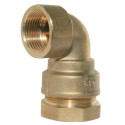
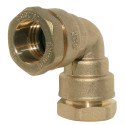
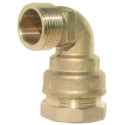
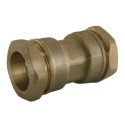
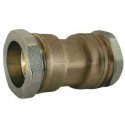
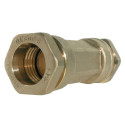
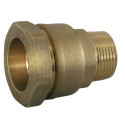
Brass is an alloy of copper and zinc. In plumbing, it embodies the "old school" of high quality. Here, no plastic: the clamping ring (or olive) is also made of metal.
The strengths of brass
Extreme mechanical resistance: A brass fitting is not afraid of unfortunate shovel blows during gardening work, nor of crushing.
Compactness: For the same diameter, a brass fitting is much thinner than a plastic fitting. This is a strong argument when space is small (narrow manholes, wall passages).
Sustainability: Brass is installed so that it never comes back. Its lifespan often exceeds that of the pipe itself. It also withstands very high pressures and temperature variations better.
The major disadvantage
Price is its main obstacle. It is a long-term investment that is justified by the peace of mind it provides.
3. Technical Comparison: Match point by point
| Criterion | Plastic Fitting (PP) | Brass Fitting |
| Pressure Rating | Generally PN16 (16 bar) | Often PN16 to PN25 |
| Corrosion Resistance | Total | Very good (except very acidic soils) |
| Installation | Manual or plastic key | Flat wrench or adjustable wrench |
| Footprint | Important | Reduced / Compact |
| Typical Use | Watering, Swimming pool, Agricultural | Home supply, Pumping |
Editing: a question of precision
In both cases, the secret to a successful installation lies in the preparation of the pipe.
Pro tip: Use a pipe cutter for a perfectly straight cut. Deburr the end of the PE pipe. If you don't, the sharp edge of the hose can nick the O-ring during insertion, causing a micro-leak that is undetectable at first, but disastrous in the long run.
4. Which fitting for which use? (Decision Guide)
Case n°1: The automatic watering network (Vegetable garden, Lawn)
The winner: Plastic. Here, the pressures are moderate (often between 2 and 4 bar) and the number of connections is high. Plastic is perfectly adapted, economical and easy to bury.
Case n°2: The main supply (drinking water supply)
The winner: Brass. For the junction between the water meter at the edge of the property and the entrance to your house, do not take any risks. Ground movements and the constant pressure of the public network imposed the solidity of brass.
Case n°3: The connection of a pump or a booster
The winner: Brass. The pumps generate vibrations and micro-water hammers when starting. The stiffer brass ensures that the fitting will not loosen over time, avoiding air intakes that defuse the pumps.
5. Thread sealing: The final step
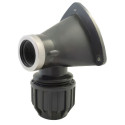
Whether you choose plastic or brass, you will often need mixed fittings (e.g. an elbow with a threaded outlet to screw in a valve).
On plastic: Use only Teflon tape (PTFE). Threading should not be allowed because its swelling could crack the body of the plastic fitting.
On brass: Teflon works, but filasse with joint paste remains the queen method of professionals for a "total" and repositionable seal.
Conclusion: Making the right choice at Multitanks
There are no "bad" fittings, there are only badly fitting fittings.
Choose plastic for its flexibility of use, corrosion immunity and unbeatable cost on large irrigation projects.
Invest in brass for the key points of your installation, pumping and areas requiring absolute mechanical robustness.
At Multitanks, we support demanding professionals and individuals by offering certified and tested ranges. A buried leak is an expensive nightmare: never neglect the quality of your fittings.
Need to take action?
Share this content