This variety is very productive and gives large green leaves with a fine and powerful aroma. Sorrel is perfect for seasoning soups, sauces, omelettes and fish.
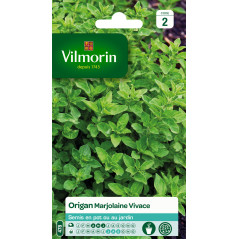
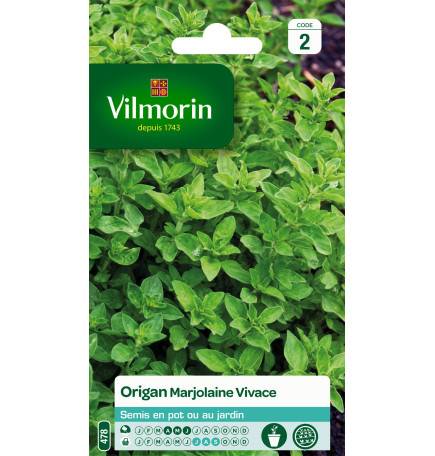
Native to Africa and Asia, introduced to Europe in the Middle Ages, marjoram is highly appreciated for its spicy aroma. Marjoram is ideal for deliciously flavouring white meats but also mayonnaise.
This aromatic plant, native to the Orient, is easy to grow. Its leaves, with a fresh taste so special, are used to lift dishes. Its seeds (actually fruits), whole, serve as spice, and ground, as a base for curries.
The Egyptians used chamomile for its healing properties, the Greeks to cure fever. In Western Europe, chamomile infusion has traditionally been a part of family after-dinner prescriptions.
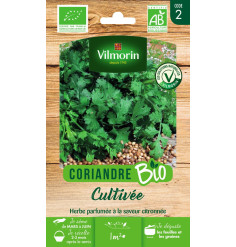
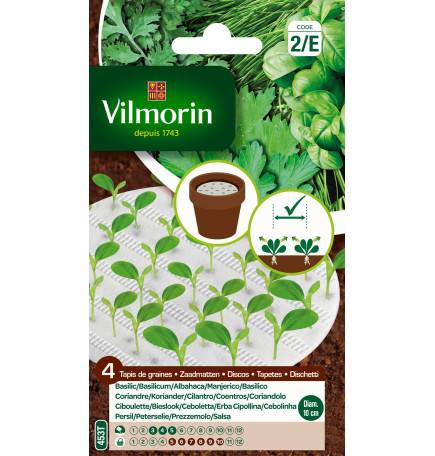
Originally from the East, introduced to Europe by the Romans, it has been more than 3000 years since coriander was grown for its culinary and medicinal properties. The very fragrant leaves of coriander help to awaken the taste of salads and soups. The seeds are also used to raise terrines or pickles.
This plant native to the Mediterranean (North Africa, southern Europe, Syria) has been known since the Middle Ages. The leaves of the borage are used as an infusion for its medicinal properties and the flowers to embellish your salads.
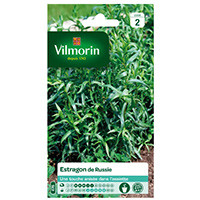
Russian tarragon is an aromatic herb, appreciated in the kitchen for its characteristic taste, sweet and aniseed. A perennial plant, resistant to extreme cold, it is grown in the garden as well as in a pot. More vigorous and productive than the French variety.
This annual variety of sage, native to Mexico, is known for its production of small brown seeds, fairly neutral in taste but full of benefits. It also offers pretty purple flowers. Drought-resistant, it can't stand frost.
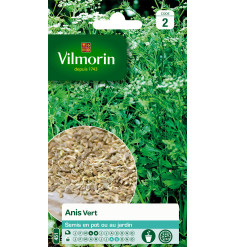
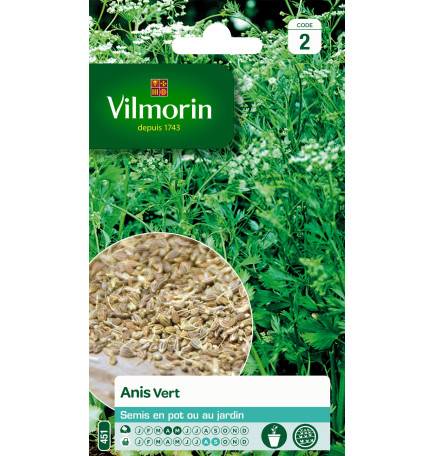
Anise, widely cultivated in the Mediterranean basin, has been used as a condiment since the Egyptians and Romans. Very easy to succeed, its seeds are very appreciated for their fine and fragrant taste.
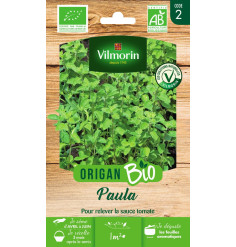
This aromatic plant, known since antiquity and whose name means "joy of the mountains" in Greek, is widespread in the wild in Europe. It is also called wild marjoram or red tea.
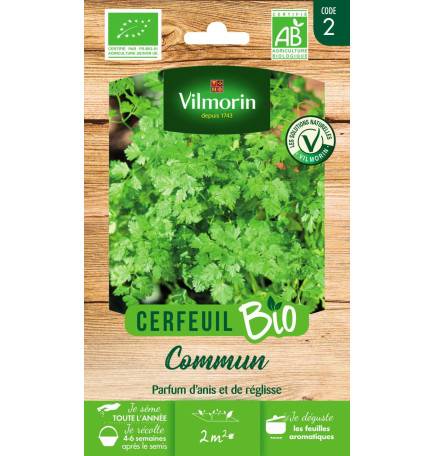
At the base of the "fine herbs", this aromatic plant has a subtle and delicate fragrance that allows to enhance the taste of many dishes: salads, soups and sauces. Ideal for a potted crop