Accessoires IBC 1000 litres
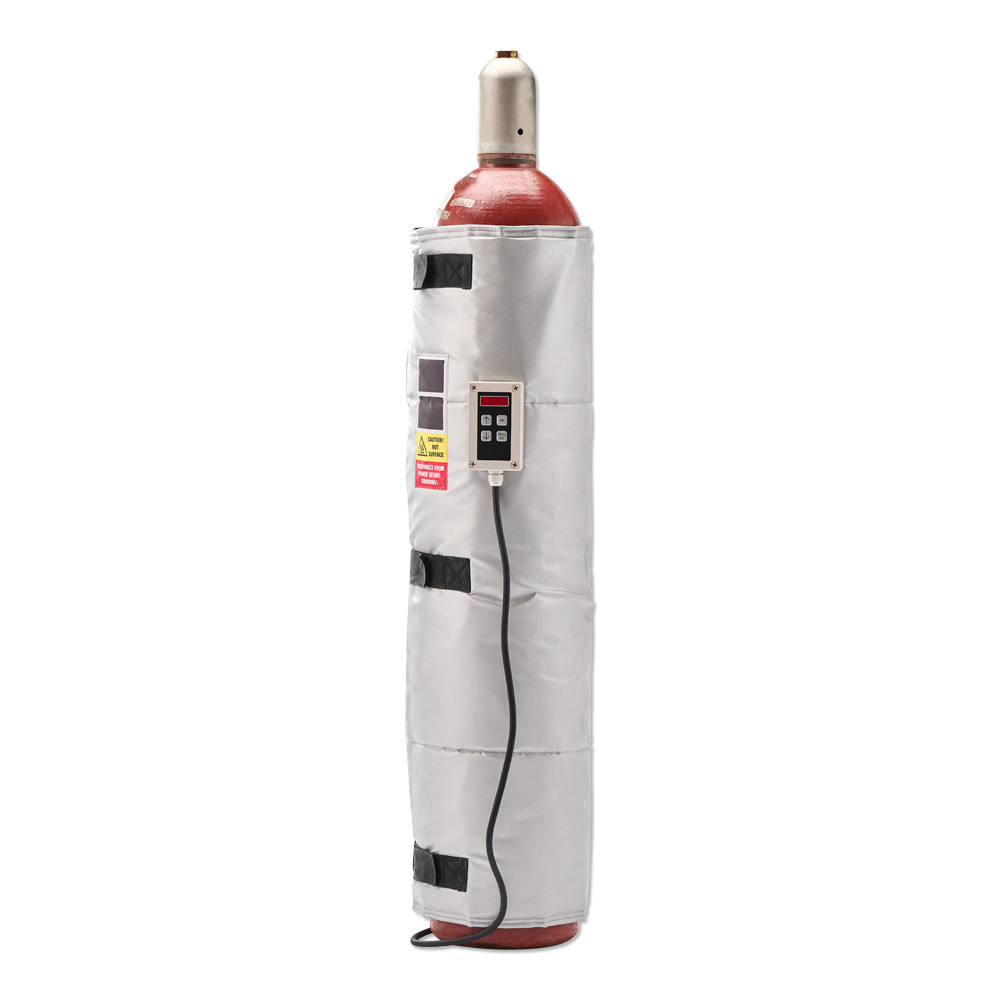
 Couvertures Chauffantes

 Raccords Plomberie
 Bidons / Futs et raccords

 Semences
 Produits Phyto

 Jardin
 Espaces Verts


 Barbecue - Braséro - Cheminée
 Entretien
 Fluides & Climatisation
 Arrosage

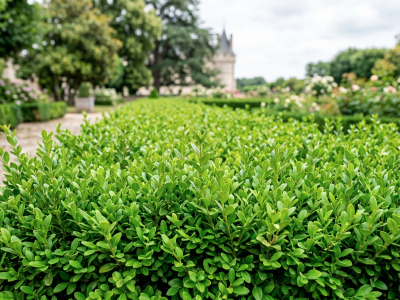
How to permanently eliminate box tree moth with Bacillus thuringiensis
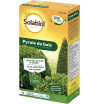
In 2026, box tree moth continues to wreak havoc in our gardens, destroying centuries-old hedges and meticulously trimmed topiaries in just a few weeks. Fortunately, science now offers a revolutionary biological solution: the Solabiol Box Tree Moth with Bacillus thuringiensis. This innovative treatment harnesses the power of a natural microorganism to permanently eliminate destructive caterpillars while preserving the ecological balance of your garden.
🐛 BOX TREE MOTH: A PLAGUE THREATENING OUR GARDENS
Originally from Asia, box tree moth (Cydalima perspectalis) invaded Europe in the early 2000s and now represents one of the most serious threats to our ornamental plantations. This nocturnal butterfly lays its eggs directly on box leaves, giving birth to caterpillars of impressive voracity.
These larvae can measure up to 4 centimeters long and have a bright green color with characteristic black stripes. They devour foliage with astonishing speed, capable of completely defoliating a shrub in just a few days. The damage is often irreversible, leading to the pure and simple death of infested box plants.
The intensive reproduction cycle of this pest, with two to three generations per year depending on regions, makes control particularly complex. Without appropriate treatment, an infestation can quickly spread to all the box plants in a garden, compromising years of landscape development.
🔬 BACILLUS THURINGIENSIS: A FORMIDABLE BIOLOGICAL WEAPON
The Bacillus thuringiensis constitutes one of the most remarkable discoveries of modern biological control. This bacterium naturally present in soils produces specific toxins that exclusively target lepidopteran larvae, without affecting other living organisms.
When box tree moth caterpillars ingest Bacillus thuringiensis spores while feeding, these toxins bind to specific receptors in their intestines. This binding causes rapid paralysis of the digestive system, preventing larvae from continuing to feed. Within hours, caterpillars completely stop eating and die within days.
This exceptional selectivity makes Bacillus thuringiensis an ideal tool for an environmentally respectful approach. Unlike synthetic chemical insecticides, this biological treatment preserves beneficial insects like bees, ladybugs or lacewings, essential to the ecological balance of the garden.
1️⃣ Specific and targeted action
Bacillus thuringiensis acts only on lepidopteran caterpillars, leaving all other beneficial organisms in the garden intact. This selectivity guarantees an ecological approach without compromising on effectiveness.
2️⃣ Impossible resistance
Unlike chemical molecules, pests cannot develop resistance to Bacillus thuringiensis. This natural biological mechanism remains effective year after year.
3️⃣ Natural degradation
The spores naturally degrade in the environment without leaving toxic residues, preserving soil quality and groundwater.
🎯 SOLABIOL BOX TREE MOTH USAGE GUIDE
The effectiveness of Solabiol treatment relies on rigorous application at the right time and under optimal conditions. Early recognition of infestation signs constitutes the key to successful control against box tree moth.
The intervention period extends from April to October, with particular vigilance during caterpillar activity peaks in May-June and August-September. Regular observation of box plants allows rapid detection of young larvae presence, the ideal stage for treatment application.
Solution preparation requires particular attention to dosage. Dilute the contents of the 15-gram sachet in 10 liters of lukewarm water, stirring carefully to obtain a homogeneous suspension. This optimized concentration guarantees maximum effectiveness while respecting approved doses.
🌿 APPLICATION TECHNIQUES FOR OPTIMAL EFFECTIVENESS
Treatment success largely depends on application quality. Careful spraying must reach all parts of the plant, particularly the heart of the branches where young caterpillars concentrate.
Use a pressure sprayer or watering gun equipped with a fine spray nozzle. Pressure must be sufficient to penetrate the heart of vegetation, but moderate to avoid excessive solution runoff.
Weather conditions play a crucial role in treatment effectiveness. Absolutely avoid applications in windy or rainy weather. Ideally, choose a calm day with temperatures between 15 and 25°C. The absence of morning dew or rain within 6 hours following application guarantees optimal product fixation on foliage.
For large gardens, plan your interventions by sectors to maintain constant effectiveness. The prepared solution keeps for only a few hours, requiring immediate use after preparation.
⚡ EFFECTIVENESS SIGNS AND POST-TREATMENT MONITORING
Result observation begins from the first hours following application. Treated caterpillars gradually stop feeding, which translates into visible cessation of new damage on foliage. This rapid reaction constitutes the first indicator of treatment effectiveness.
Within 48 to 72 hours, you should notice a significant decrease in larval activity. Caterpillars become lethargic, stop moving and eventually die. This staggered mortality over several days allows complete elimination of the infesting population.
Post-treatment monitoring is essential to evaluate effectiveness and plan possible complementary applications. Regularly inspect your box plants during the two weeks following treatment, looking for new signs of caterpillar activity or the appearance of new hatches.
🛡️ PREVENTION AND SUSTAINABLE PROTECTION STRATEGY
Beyond curative treatment, adopting a global preventive strategy proves essential to sustainably protect your box plants against future infestations. This integrated approach combines surveillance, good cultural practices and targeted interventions.
Plant diversification constitutes an excellent prevention method. Limit mono-specific box plantings that facilitate rapid pest spread. Intersperse other resistant shrub species like holly, yew or osmanthus that can offer interesting aesthetic alternatives.
Regular maintenance of your box plants strengthens their natural resistance to pest attacks. Balanced pruning improves branch aeration and facilitates early infestation detection. Avoid too severe pruning that weakens the plant and favors its sensitivity to parasites.
💡 Multitanks Expert Advice
To optimize Solabiol treatment effectiveness, combine it with installing specific box tree moth pheromone traps. These devices allow monitoring adult butterfly activity and anticipating egg hatching periods, thus guiding optimal application timing. This combined approach can reduce by 80% the number of treatments needed while maintaining maximum protection.
🌍 ECOLOGICAL IMPACT AND ENVIRONMENTAL BENEFITS
The use of Bacillus thuringiensis fits perfectly with chemical pesticide reduction objectives promoted by current environmental policies. This biological approach contributes to biodiversity preservation while maintaining the effectiveness needed for plant protection.
Unlike conventional plant protection products, Solabiol treatment presents no risk of bioaccumulation in the food chain. Bacillus thuringiensis spores naturally degrade without leaving persistent residues in the environment.
This exceptional selectivity helps preserve pollinating insect populations, already weakened by climate change and increasing urbanization. Bees, bumblebees and other pollinators can continue to frequent treated gardens without risk of intoxication.
For urban and peri-urban gardens, this respectful approach proves particularly adapted to neighborhood constraints and increasingly strict local regulations concerning pesticide use near homes and schools.
🌿 Anti-Moth Dosage Calculator
Calculate the exact amount of product needed to treat your box plants
Share this content