IBC 1000 L accessories
 Heating jackets
 Fittings
 Drums, jerrycans & fittings
 Seeds
Seeds 
 Plant protection & biocides
 Garden
 Green spaces & municipal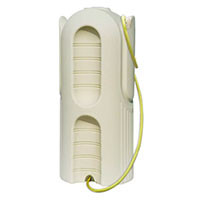
 Barbecue, fire pit & fireplace
 Cleaning & care
 Refrigerants & air conditioning
 Watering
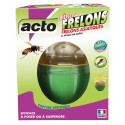
ACTO Asian Hornet Trap: your ally against the predator invasion
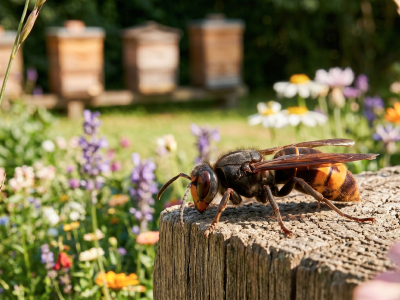
The Asian hornet, which arrived in France in 2004, now represents one of the most serious threats to our ecosystems. In 2026, this invasive species continues to proliferate, decimating bee colonies and disrupting the tranquillity of our gardens. Faced with this ecological emergency, the ACTO Asian hornet trap positions itself as an innovative protection solution, combining remarkable effectiveness with careful aesthetics to preserve your environment.
🐝 THE ASIAN HORNET THREAT: AN ECOLOGICAL SCOURGE
Vespa velutina, more commonly known as the Asian hornet, has rapidly established itself as one of the most formidable predators of our domestic bees. A single colony can consume up to 11 kilograms of insects per year, with a marked preference for worker bees. This constant predation pressure dramatically weakens hives, compromising their ability to survive during difficult periods.
Beyond the impact on beekeeping, the Asian hornet also disrupts local biodiversity by attacking other pollinating insects. Its presence alters the ecological balance of gardens and natural spaces, creating a vicious cycle that affects the pollination of plants. This situation requires targeted and effective intervention to limit its spread.
Combating this invasive species requires specific tools capable of precisely targeting Asian hornets without harming other beneficial insects. It is in this context that the innovation represented by the flying pest control solutions developed by Multitanks comes into play.
🎯 THE ACTO TRAP: INNOVATIVE SELECTIVE TECHNOLOGY
The ACTO hornet trap stands out for its advanced technical design, the result of in-depth research into the behaviour of Asian hornets. Its ovoid dome design is not merely aesthetic: it optimises airflow and the diffusion of attractive pheromones, thereby maximising capture efficiency.
The perforated selective grid is at the heart of the ACTO innovation. Its perforations have been precisely calculated to allow access to Asian hornets while preventing the entry of smaller insects such as bees. This mechanical selectivity represents a major breakthrough in the protection of biodiversity.
The specifically shaped entry funnel completes this ingenious system. Its particular geometry facilitates the entry of hornets attracted by the bait, but makes their exit practically impossible. This design takes advantage of the hornet's natural instincts, which tend to fly upwards when seeking an exit, thus finding themselves trapped in the upper part of the dome.
The perforated grid prevents access by bees and other pollinators while allowing Asian hornets through. This selectivity preserves the beneficial biodiversity of your garden.
The ovoid dome design harmonises perfectly with landscaping. Available in discreet colours, it blends naturally into the environment without detracting from the aesthetic of the garden.
Designed to work throughout the whole season, the ACTO trap offers continuous protection against Asian hornets with minimal maintenance and optimal resistance to the elements.
⚙️ INSTALLATION AND OPTIMAL COMMISSIONING
The installation of the ACTO trap has been designed to be accessible to everyone, without requiring specialist tools. The first step is to unscrew the transparent and green parts of the device, allowing access to the capture chamber. This modular design greatly facilitates maintenance and reloading of the attractant.
The strategic placement of the trap largely determines its effectiveness. The optimal height of 1.80 metres corresponds to the preferred flight zones of Asian hornets when they patrol in search of prey. This elevation also avoids interactions with domestic animals while maintaining reasonable accessibility for maintenance.
🏡 PLACEMENT STRATEGIES FOR OPTIMAL PROTECTION
The placement of the ACTO trap in your garden or near your hives requires strategic thinking. For beekeepers, the ideal approach is to create a protective barrier by installing traps at a distance of 10 to 15 metres from the hives. This intermediate zone intercepts hornets before they reach the bee colonies.
For residential gardens, the objective differs slightly: it is about creating a safety zone around outdoor living spaces. Patios, poolside areas and outdoor dining zones will benefit from effective protection thanks to the pest protection solutions available.
The timing of installation is also of crucial importance. From the beginning of spring, founding queens emerge from hibernation and search for nesting sites. This is when preventive intervention proves most effective. Early installation makes it possible to eliminate future colonies before they become established.
🔬 SCIENCE AND EFFECTIVENESS: UNDERSTANDING ATTRACTIVENESS
The effectiveness of the ACTO trap is based on a thorough understanding of the Asian hornet's feeding behaviour. These predators are attracted by specific combinations of odours, particularly fermented sugary substances and certain pheromones. The ACTO liquid attractant reproduces these chemical signals to maximise attraction.
The activity period of Asian hornets extends from March to November, with varying intensity peaks depending on weather conditions. In spring, founding queens are particularly vulnerable as they must feed intensively to establish their colony. Summer sees the emergence of workers, multiplying interactions with hives.
Autumn represents a critical period when colonies reach their maximum size. This is when the impact on bee hives is most destructive. A continuous trapping strategy, supported by the tools available in the gardening range from Multitanks, helps maintain constant pressure on hornet populations.
Multitanks Expert Tip:
To optimise the effectiveness of your ACTO trap, renew the attractant every 4 to 6 weeks depending on weather conditions. In hot, dry weather, the frequency can be increased. Regularly clean the selective grid to maintain optimal airflow and prevent the perforations from being blocked by plant debris.
🌿 ECOLOGICAL INTEGRATION AND BEST PRACTICES
The use of the ACTO trap is part of an ecological approach that respects biodiversity. Its selectivity makes it possible to specifically target invasive species without impacting beneficial native insects. This selective approach represents an ethical alternative to less discriminating control methods.
Regular monitoring of captures allows the trapping strategy to be adjusted according to changes in local populations. A weekly check of the traps provides valuable data on hornet activity in your area. This information can be shared with local beekeepers to coordinate protection efforts.
The effectiveness of the device can be enhanced by a comprehensive approach integrating other complementary methods. Landscaping with naturally repellent plants, eliminating sources of standing water and collaborating with neighbours create an environment less favourable to the establishment of Asian hornets.
🔍 Trapping Effectiveness Calculator
Estimate the impact of your anti-hornet strategy
Share this content