



 IBC 1000 L accessories
 Heating jackets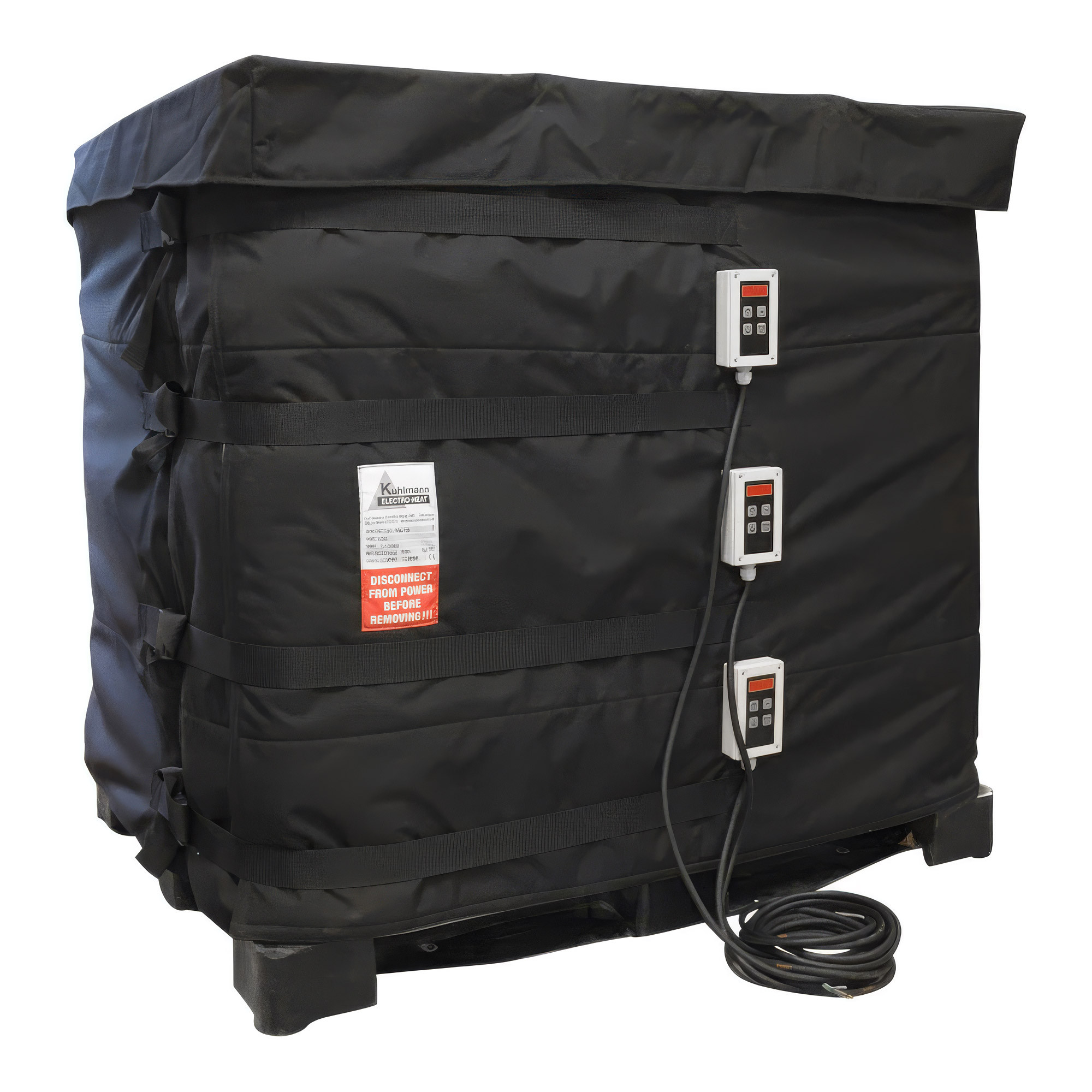
 Fittings
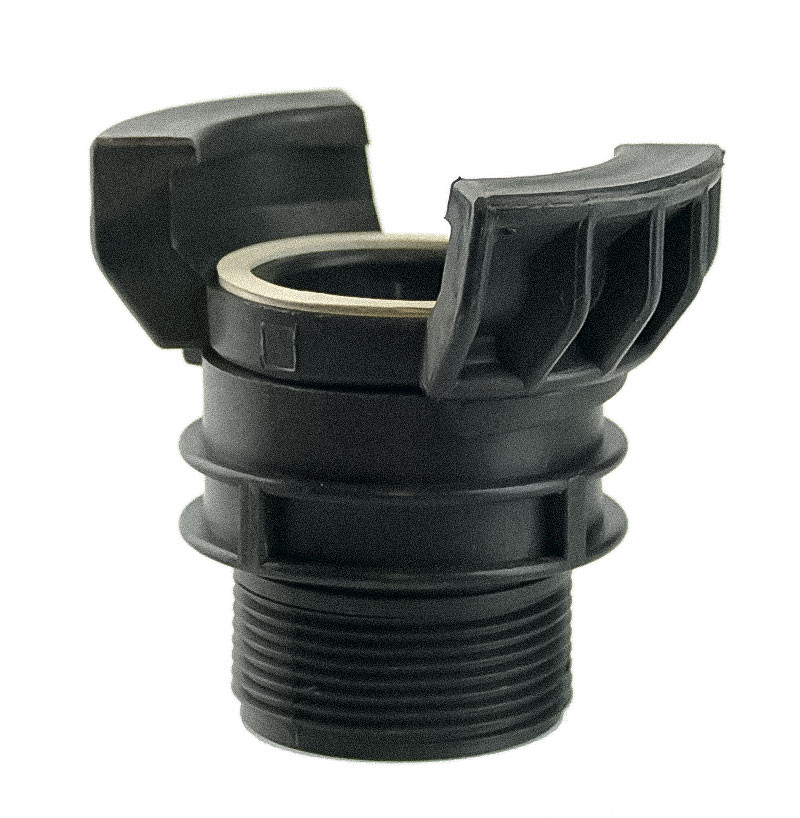
 Drums, jerrycans & fittings
 Seeds
Seeds 





 Plant protection & biocides


 Garden




 Green spaces & municipal

 Barbecue, fire pit & fireplace

 Cleaning & care

 Refrigerants & air conditioning

 Watering
Rain Returns: The Right Reflex Before a Possible Heat Rebound
A few weeks of extreme drought, heat records shattered one after another, scorched gardens — and now the rain is back, in the form of violent late-August storms. Many gardeners and homeowners can finally breathe again. But the real question is not just whether we will finally get some coolness: it is knowing what to do with this rain while it falls, and how not to miss an opportunity that may not come around again so soon.
💧 A SUMMER 2026 THAT BROKE ALL RECORDS
The summer of 2026 will go down in meteorological history as the hottest and driest ever recorded in France. June and July were the two hottest months the country had experienced since instrumental records began, and a heatwave started on 28 July and lasted 23 consecutive days — an unprecedented duration in our climate history. This sequence depleted soil water reserves at an alarming rate, reaching historically low moisture levels nationwide by early August.
These figures are not mere statistics: behind them lie lost crops, dried-up wells and springs, devastated vegetable gardens, and tanks and reservoirs drained to the last drop. The concept of soil low-water level — the point at which moisture reaches a critical floor — has never been more relevant than in August 2026. Water withdrawals from aquifers and watercourses were restricted in many departments, and some areas crossed water crisis thresholds before mid-season. It is in this context that the water falling today takes on considerable value.
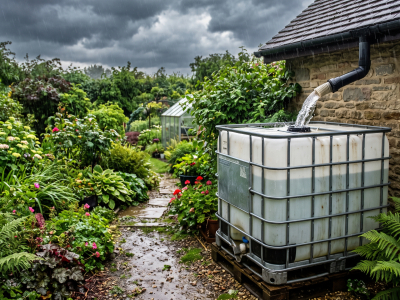
For property owners equipped with an IBC tank or a rainwater storage system, the situation is clear: every millimetre of rainfall equivalent falling on a hundred square metre roof represents one hundred litres of usable water. After weeks of water deficit, even the slightest rain amounts to a strategic resource that would be a shame to let run off into the gutters.
💧 THE CLIMATIC WHIPLASH OF 2026
The year 2026 provides a striking example of how quickly water resources can swing from one extreme to another across a territory. France had begun the year under flooding: in January, significant floods had affected several regions, and soils were still saturated with water in February. No one at that point anticipated that six months later, those same soils would be showing record dryness levels.
This spectacular swing illustrates better than any graph the challenge that water management in France now poses. Events no longer average out: they follow one another in opposite directions, sometimes within just a few weeks. The driest summer ever recorded coming after a winter marked by flooding is precisely the type of scenario that puts rigid water management systems to the test — and rewards those who have invested in flexible storage capacity. A well-sized tank, filled during rainy periods, allows you to get through dry spells without total dependence on the mains network or sources that may run dry.
💧 SEPTEMBER 2026: HEAT RETURNS, FAST AND HARD
The question is no longer hypothetical: according to the latest forecasts from Météo-France, the temperature rebound is confirmed from the very first days of September, and it looks brutal. After a back-to-school period under still cool temperatures — around 15 to 19°C in the north, 23 to 24°C in the south — the thermometer shoots up from 2 September, with maximum temperatures expected at 35°C, then 36°C the following day, and a peak of 37°C on 4 September. The following days remain well above seasonal norms, with highs staying between 31 and 36°C at least until 9 September.
This rebound is arriving earlier and harder than models suggested just a few days ago, when a possible return of heat was only mentioned as a trend for the period from 7 to 13 September. Reality is moving faster than projections suggested, which concretely changes the situation: the window to take advantage of the cool weather and the last rains to top up your reserves is no longer measured in weeks, but in hours. If your tank is not yet full, now is the time to act, before the heat sets in. Once the heatwave is in place, water resources come under pressure again, exactly as they did this summer.
The rebound is now confirmed, with a peak of 37°C announced for 4 September. A tank filled during the late-August storms gives you immediate autonomy to ride out this new heatwave without drawing on the mains network or already-depleted aquifers. Also check out our guides on efficient watering to make the most of every stored litre.
Beyond this burst of heat, the broader seasonal trends remain uncertain for autumn. Violent storm episodes can overflow collection systems if they are not ready. Better to have a verified installation, watertight fittings and clean tanks to make the most of every useful rainfall event when it returns.
Autonomous water management is a structural decision, not a reaction to the current weather. Whatever the rest of the season brings, having a full reserve, a reliable installation and valves in good condition puts you in the best possible position in the face of climatic uncertainty.
💧 HOW TO MAKE THE MOST OF THE RETURNING RAIN
Taking advantage of a rainy episode after a prolonged drought requires a few simple but often overlooked reflexes. The first thing to keep in mind is that the first minutes of heavy rain after weeks of drought serve mainly to wash surfaces: gutters accumulate dry leaves, dust and debris during rain-free periods, and the first flow carries this pollutant load towards the collectors. It is therefore essential to check the condition of your installation before the next rains, not during or after.
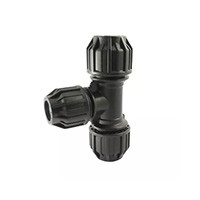
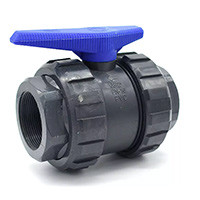
Similarly, fittings, seals and valves that have spent nearly three months in hot, dry air may have suffered: elastomers shrink, seals lose their flexibility, and what was perfectly watertight in June can become a source of losses in August. A quick visual check of the entire collection chain — from the gutter to the tank — takes less than an hour and can save you from losing several hundred litres during the next storm.
These actions take little time but have a direct impact on the volume actually collected. A well-maintained system can capture the full potential of a roof surface; a neglected system can lose a significant portion to leaks, blockages or poor water separation. After such a brutal summer, it is clearly worth the effort.
💧 AUTUMN-WINTER 2026: WHAT THE MODELS ARE BEGINNING TO SKETCH OUT
Several seasonal models are now tentatively suggesting an abnormally wet final quarter of 2026 — a trend that, if confirmed, would make 2026 a landmark year for extreme climate variability. These projections are not certainties: they reflect tendential atmospheric configurations, notably an oceanic low-pressure flow that could become more active from October. But they outline a scenario consistent with the dynamic observed since the start of the year: flooding in January, record drought in summer, potentially a wet autumn — a climate pendulum swinging ever more widely.
One element closely watched by forecasters: Mediterranean sea surface temperatures, exceptionally high after this torrid summer. These warm waters considerably increase the energy potential of rain and storm episodes that form at sea before hitting coastal regions and the reliefs of the south-east. These "Mediterranean episodes" — Gard, Hérault, Var, Aude — could therefore be particularly intense in early autumn 2026, if current trends are confirmed. This is not alarmism, but a precaution dictated by atmospheric physics: the warmer the water, the more energy the storms that emerge from it have available.
Faced with this uncertain picture, the most robust strategy is one of flexibility. A water storage installation — whether a 1000-litre IBC tank or a set of linked collectors — allows you to capture water when it is abundant and reuse it when it is scarce. This is exactly the kind of buffer that gardens, livestock operations or workshops need when they cannot afford to depend on erratic weather. And in a context where extreme events seem increasingly frequent, this logic of water resilience is no longer reserved for farmers alone: it concerns any property owner who values their autonomy.
💡 Multitanks Expert Tip — A Full Tank: the Best Insurance Against Uncertainty
In water management, there is a simple principle that every difficult summer confirms: a tank filled at the slightest opportunity of rain is zero-cost insurance against uncertainty. You do not know whether September will be hot or rainy. You do not know whether October will bring storms or an anticyclone. What you do know, however, is that a full reserve does not expire, costs nothing to store, and will be there when you need it. Far better a full tank you do not immediately use than an empty one when every litre counts. Browse our range of IBC accessories and fittings to optimise your system right now.
💧 A SUMMER 2026 THAT CHANGES THE GAME FOR WATER MANAGEMENT
Beyond the back-to-school weather question alone, the summer of 2026 will likely mark a turning point in collective awareness around water management. Watering restrictions, pressure on networks, aquifers at historically low levels: all signals pushing an increasing number of individuals and professionals to seriously consider water autonomy as a structural investment, rather than an optional comfort. This evolution is reflected in growing demand for storage tanks, rainwater harvesting systems and drought-adapted gardening accessories.
The real lesson of the year is not to forecast the weather — nobody can do that reliably beyond a few days. It is to equip yourself with infrastructure that works in all scenarios: capable of absorbing excess water during rainy periods and releasing it during drought. This is exactly the logic of a well-sized, well-maintained tank connected to an efficient collection network. The late-August rain is not an end in itself: it is an opportunity to seize in the perspective of more resilient long-term water management. And for that, quality valves and fittings make all the difference.
Share this content