IBC 1000 L accessories
 Heating jackets
 Fittings
 Drums, jerrycans & fittings
 Seeds
Seeds 
 Plant protection & biocides

 Garden

 Green spaces & municipal

 Barbecue, fire pit & fireplace
 Cleaning & care
 Refrigerants & air conditioning
 Watering
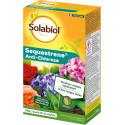
SOLABIOL Sequestrene Anti-Chlorosis: The Biological Solution Against Plant Yellowing
🌿 UNDERSTANDING CHLOROSIS TO BETTER COMBAT IT
Chlorosis manifests as progressive yellowing of leaves, usually between veins that remain green. This discoloration results from iron deficiency, a metal essential for chlorophyll production. Contrary to what one might think, the problem doesn't always come from a lack of iron in the soil, but rather from its difficult assimilation by the roots.
Calcareous, too humid or too compact soils often prevent optimal iron absorption. Acidophilic plants like azaleas, rhododendrons, camellias or citrus fruits are particularly sensitive to this phenomenon. Without appropriate treatment, chlorosis can lead to general weakening of the plant and compromise its flowering or fruit production.
Quickly recognizing the first signs allows for effective intervention. Carefully observe your plants: leaves that yellow while retaining green veins, slowed growth, reduced flowering or inferior quality fruits are all indicators of possible chlorosis.
💚 THE ADVANTAGES OF SOLABIOL CHELATED IRON
The Sequestrene Anti-Chlorosis from Solabiol stands out with its innovative formulation based on chelated iron. This particular form of iron presents exceptional bioavailability, allowing roots to absorb it even in difficult conditions like calcareous soils or high pH.
Manufactured in France according to organic agriculture standards, this product offers dual preventive and curative action. Its concentrated formula guarantees visible results from the first weeks of application, while ensuring prolonged protection against relapses.
The product's effectiveness relies on its ability to progressively release iron into the soil, thus creating a lasting nutritional reserve. This technology allows spacing applications while maintaining an optimal level of iron nutrition for plants.
Visible results in 10 to 15 days thanks to directly assimilable chelated iron. Long-lasting protection against symptom reappearance, reducing treatment frequency.
Environmentally friendly formulation, usable in organic farming. Allows treating your plants while preserving biodiversity and soil health.
Suitable for all types of crops: vegetables, flowers, fruit trees, ornamental shrubs. Effective in pots as well as in open ground, for beginner and experienced gardeners.
🎯 COMPLETE USAGE GUIDE AND DOSAGES
Applying Sequestrene Anti-Chlorosis requires respecting precise dosages to optimize its effectiveness. The product comes in the form of water-soluble granules, facilitating its spreading and absorption by roots.
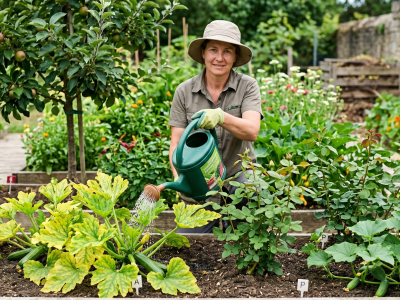
For vegetables and flowers, count 2 to 5 grams per liter of water per square meter. This concentration is perfectly suitable for tomato, zucchini, petunia or geranium plants showing signs of chlorosis. Watering should be copious to favor penetration down to the roots.
Recently planted trees and roses require a higher dosage: 10 to 20 grams diluted in 10 liters of water per plant. This quantity allows quickly establishing an iron reserve around the root system, promoting recovery and establishment of young plantations.
🌳 SPECIAL CASES: FRUIT TREES AND CITRUS FRUITS
Larger trees require specific treatment adapted to their root development. For mature trees, use 50 to 100 grams diluted in 10 liters of water per subject. This quantity may seem important, but it corresponds to the nutritional needs of an extended root system.
Citrus fruits in pots or in open ground in the South deserve special attention. These acidophilic plants are very sensitive to chlorosis, particularly lemon, orange and mandarin trees. Preventive application at the beginning of spring helps avoid deficiencies during the active growth period.
For orchards, plan treatments according to the cultural calendar. An application at the end of winter, before bud break, prepares trees for the new season. A second intervention may be necessary in summer if symptoms appear despite preventive treatment.
⚠️ PRECAUTIONS AND GOOD PRACTICES
Although Sequestrene Anti-Chlorosis is authorized in organic agriculture, its use requires some precautions. Wear gloves when handling to avoid prolonged skin contact. In case of accidental projection in the eyes, rinse immediately with clear water and consult a doctor if necessary.
Keep the product in its original packaging, away from moisture and out of reach of children and pets. The shelf life is generally several years if these conditions are respected.
Treatment effectiveness also depends on the general condition of the soil. Proper drainage, balanced pH and aerated structure favor iron absorption. Don't hesitate to improve your soil with organic amendments to enhance the anti-chlorosis action.
🌺 INTEGRATION INTO A FERTILIZATION PROGRAM
Sequestrene Anti-Chlorosis integrates perfectly into a global fertilization program. Combine it with other biological fertilizers to meet the complete nutritional needs of your plants. This holistic approach guarantees harmonious development and increased resistance to environmental stress.
For ornamental gardens, alternate anti-chlorosis applications with nitrogen-rich fertilizers in spring and potash in autumn. This nutritional rotation maintains optimal balance throughout the growing season.
In the vegetable garden, coordinate anti-chlorosis treatments with the seeding and planting calendar. Preventive application before setting up sensitive crops like tomatoes or peppers avoids deficiencies during the critical growth period.
To maximize treatment effectiveness, regularly test your soil pH. A pH above 7.5 blocks iron assimilation even in the presence of anti-chlorosis. In this case, associate treatment with a natural acidifier like blonde peat or decomposed conifer needles to create favorable conditions around the roots.
Regular maintenance of your garden tools and continuous improvement of your cultural practices effectively complement the action of Sequestrene Anti-Chlorosis. This global approach allows you to obtain a flourishing and resilient garden, respectful of the environment.
🧮 Anti-Chlorosis Dosage Calculator
Determine the ideal dosage according to your crop type
Share this content