IBC 1000 L accessories
 Heating jackets
 Fittings
 Drums, jerrycans & fittings
 Seeds
 Plant protection & biocides

 Garden

 Green spaces & municipal

 Barbecue, fire pit & fireplace
 Cleaning & care
 Refrigerants & air conditioning
 Watering
World's Fastest Online Shopping Destination

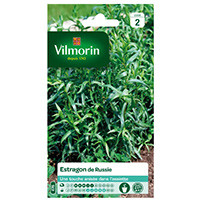
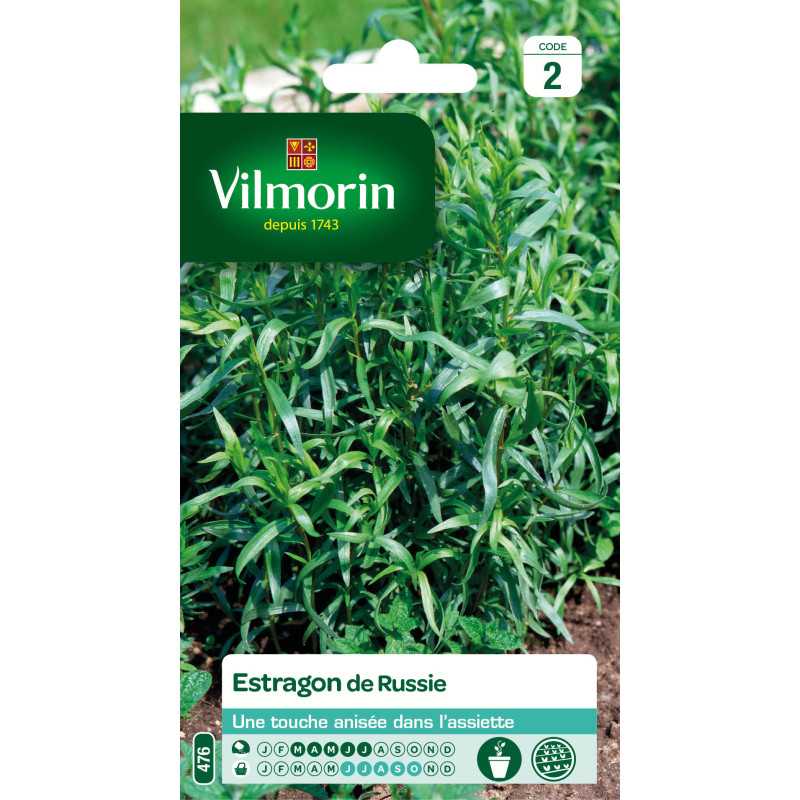
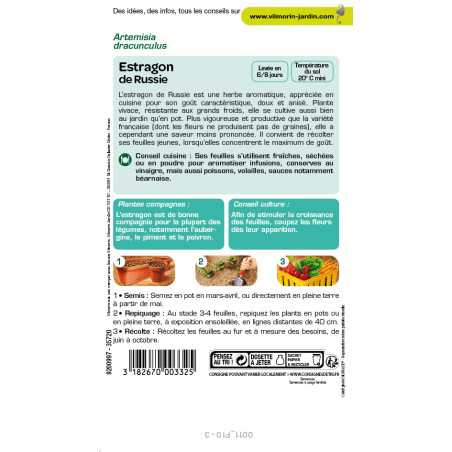
Vilmorin Russian tarragon is a perennial herb renowned for its mild aniseed flavour. More vigorous and productive than the French variety, it stands up perfectly to hard frosts and grows just as well in the garden as in a pot.
Perfect for flavouring your dishes, this herb is harvested young for maximum taste and is an ideal companion to Mediterranean vegetables.
 Safety guarantees100% secure payment
 Shipping PolicyResponsive and attentive after-sales service
 Returns PolicyFast and secure delivery
Russian Tarragon Seeds Packet (Reference: 3572042) from the Vilmorin brand represents excellence in herb seeds. This Russian variety, scientifically named Artemisia dracunculoides, stands out for its exceptional robustness and its ability to adapt to harsh climates. Unlike its French counterpart, Russian tarragon offers generous production and remarkable resistance to sub-zero temperatures, making it a favoured choice for beginner and experienced gardeners alike.
Russian tarragon finds its place in every kitchen, from the most traditional to the most creative. Its mild aniseed flavour, less pronounced than that of French tarragon, makes it a versatile herb that enhances sauces, vinaigrettes and marinades. Professional chefs particularly appreciate it for its ease of use and its constant availability in the garden.
This herb goes perfectly with Mediterranean vegetables such as aubergine, chilli and pepper, creating harmonious flavour combinations. Urban gardeners appreciate growing it in pots on balconies and terraces, while open-ground growers benefit from its high productivity and the fact that it lasts for several years.
Vilmorin Russian tarragon seeds have an optimised germination rate and are packaged to the strictest quality standards. This perennial variety develops a robust root system that allows it to withstand frosts down to -20°C, unlike the more sensitive French tarragon.
The plant reaches a height of 60 to 80 cm and spreads over 40 to 50 cm in width, forming a dense, well-filled clump. Its lanceolate leaves of an intense green concentrate the essential oils responsible for its characteristic aroma. The sowing period runs from April to June, with germination generally taking between 10 and 15 days depending on weather conditions.
Sowing Russian tarragon is done directly in place or in a seed bed, in a well-drained, slightly chalky soil. The seeds are sown on the surface, simply pressed into the soil without being covered, as they need light to germinate. Regular but moderate watering keeps the necessary moisture without excess.
This plant adapts to all soil types, provided they are well drained. For container growing, a light substrate mixed with sand encourages root development. A sunny to partly shaded position suits it perfectly, with a minimum of 4 hours of sun a day for optimal growth.
Maintenance is limited to a few waterings during dry spells and a light trim after flowering to keep the plant in shape. In winter, a simple mulch protects the roots in the coldest regions.
To maximise the flavour of your Russian tarragon, harvest the leaves preferably in the morning, after the dew but before the heat of the day. The young shoots offer a finer, less bitter aroma than mature leaves. Pinch out the flower stems regularly to concentrate the energy in the foliage.
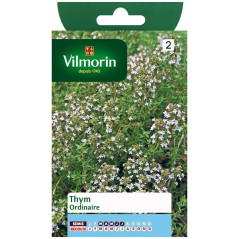
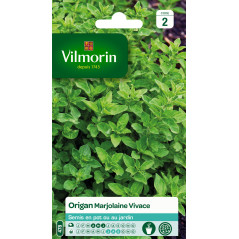
In companion planting, Russian tarragon works wonders alongside tomatoes, courgettes and Mediterranean herbs such as thyme and oregano. Avoid direct proximity to plants of the Brassicaceae family (cabbages, radishes), which can inhibit its growth.
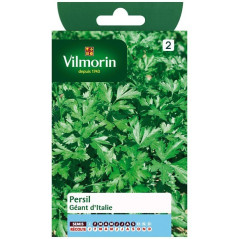
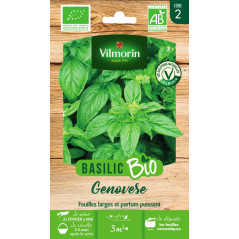
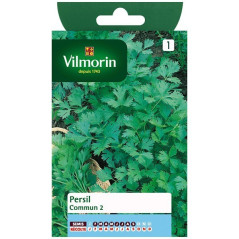
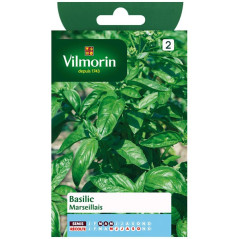
For catering professionals, this variety allows staggered production by growing several plants at 3-week intervals. The best storage is achieved by drying in the shade or freezing the fresh leaves in ice-cube trays with a little water. Complete your herb range with parsley, chives and basil for a full palette of flavours.
| Details | Specifications |
|---|---|
| Scientific name | Artemisia dracunculoides |
| Plant type | Perennial herb |
| Mature height | 60 to 80 cm |
| Spread | 40 to 50 cm |
| Sowing period | April to June |
| Germination time | 10 to 15 days |
| Exposure | Sun to partial shade |
| Cold resistance | Down to -20°C |
| Harvest period | May to October |
| Culinary use | Sauces, marinades, vinaigrettes |
Specific references
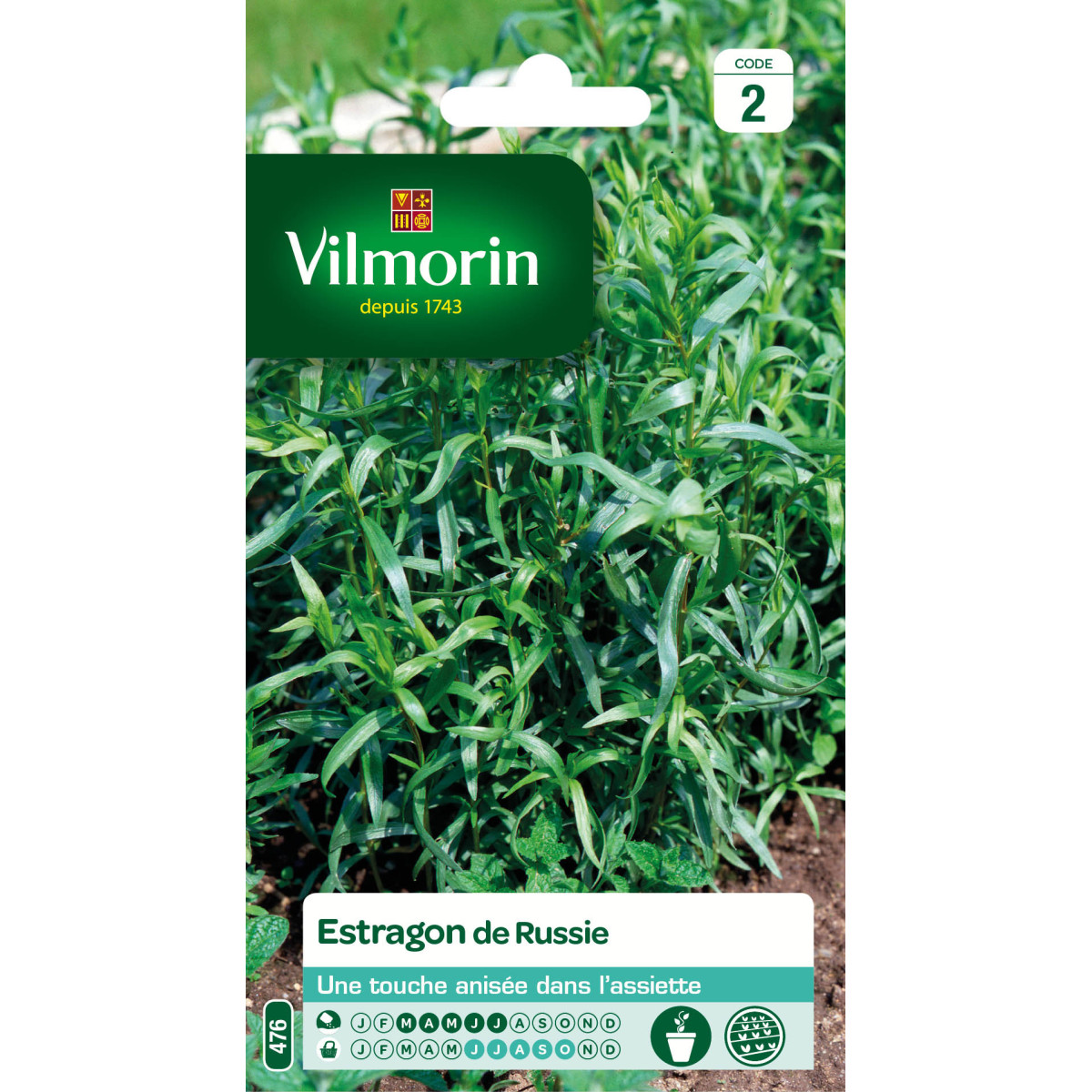
Vilmorin Russian tarragon is a perennial herb renowned for its mild aniseed flavour. More vigorous and productive than the French variety, it stands up perfectly to hard frosts and grows just as well in the garden as in a pot.
Perfect for flavouring your dishes, this herb is harvested young for maximum taste and is an ideal companion to Mediterranean vegetables.