IBC 1000 L accessories
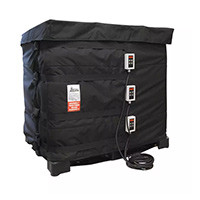
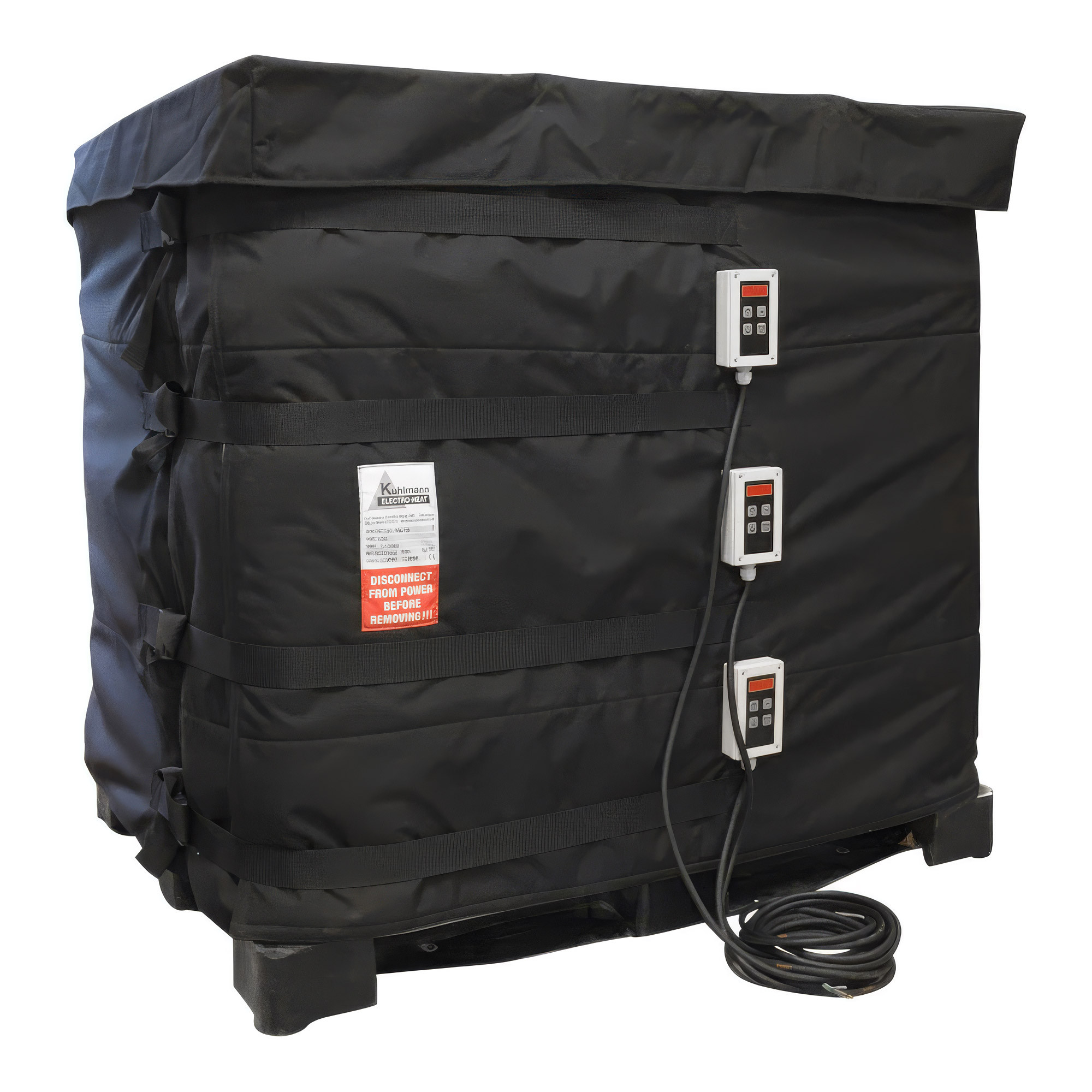
 Heating jackets
 Fittings

 Drums, jerrycans & fittings

 Seeds
 Plant protection & biocides

 Garden

 Green spaces & municipal

 Barbecue, fire pit & fireplace
 Cleaning & care
 Refrigerants & air conditioning
 Watering


World's Fastest Online Shopping Destination

 Safety guarantees100% secure payment
 Shipping PolicyResponsive and attentive after-sales service
 Returns PolicyFast and secure delivery
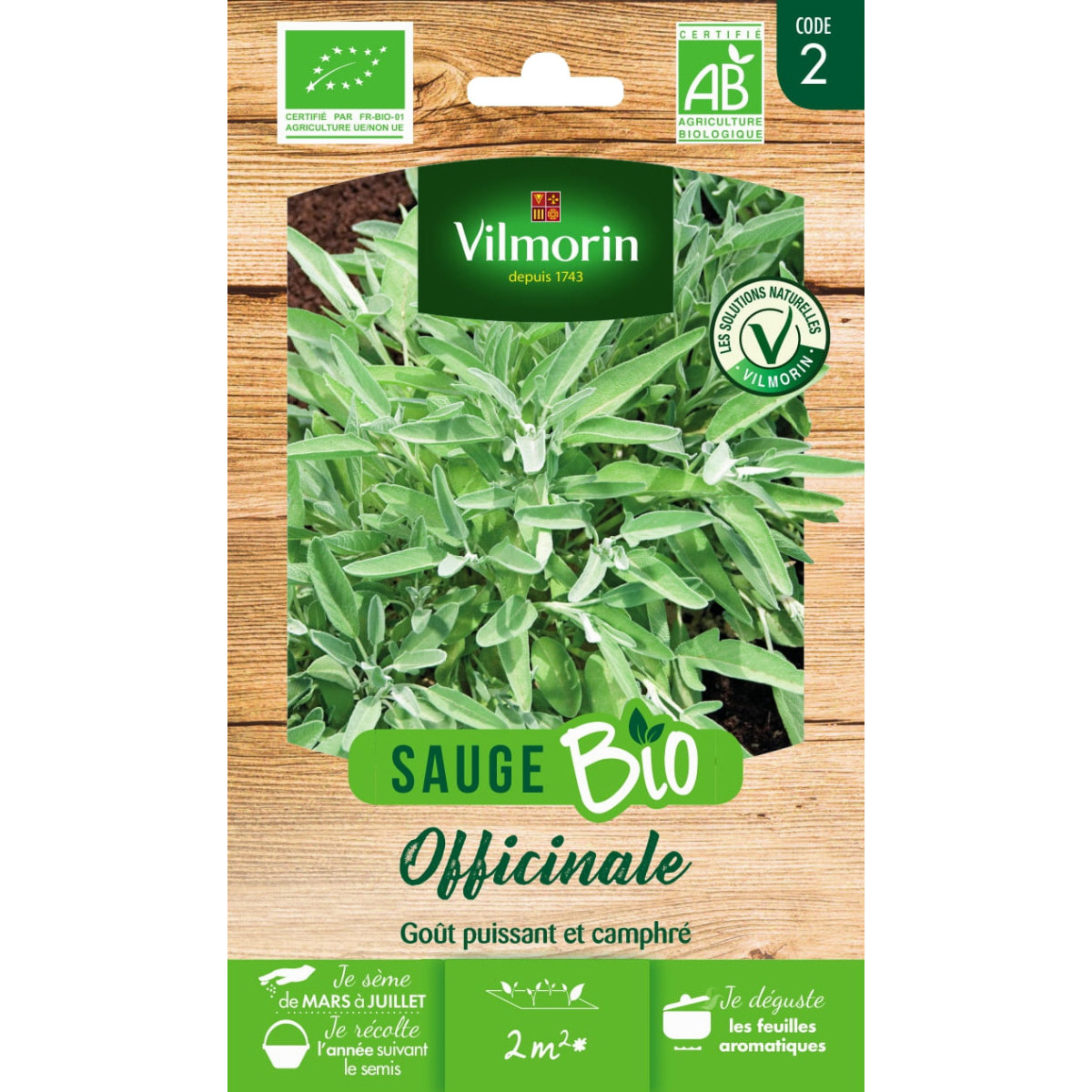
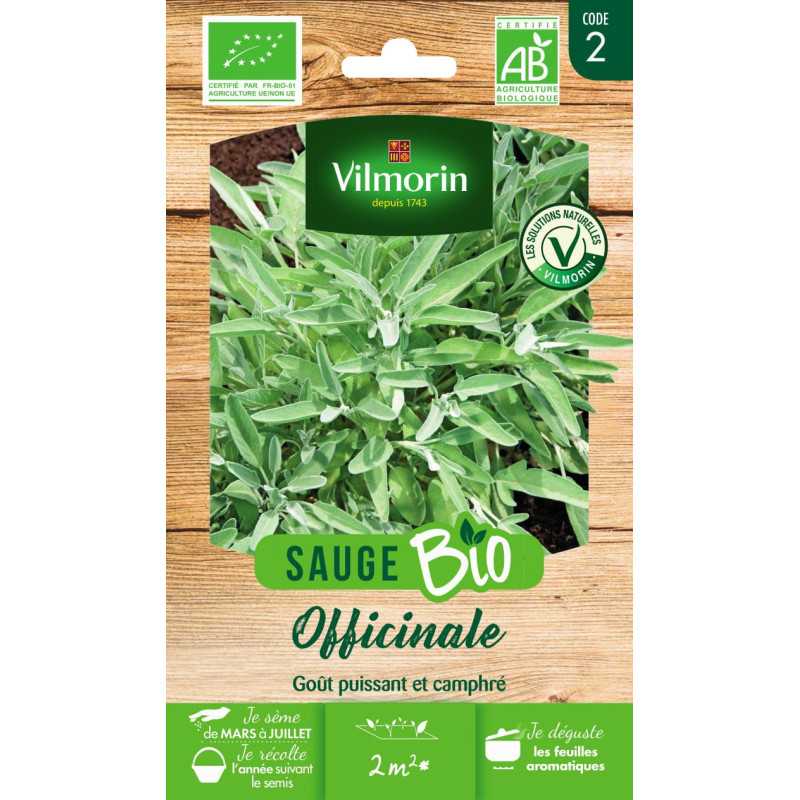
Organic Common Sage Seed Packet - Salvia officinalis (Reference: 5768342)
This certified organic common sage variety from Vilmorin carries on a thousand-year-old tradition. Used since Antiquity from China to Europe, common sage remains today one of the aromatic plants most prized by amateur and professional gardeners alike. Its universal reputation rests on its exceptional culinary qualities and its recognised traditional properties.
Organic common sage is for everyone who loves to cook and wants to lift their meat, vegetable and starch dishes with an authentic herb. Its grey-green leaves give off an intense, characteristic scent, particularly valued in Mediterranean cooking and in traditional dishes.
Professional gardeners easily bring this perennial into their ornamental schemes thanks to its decorative evergreen foliage and its spikes of mauve-lilac flowers, which attract pollinating insects. In permaculture it is an excellent companion for other herbs and vegetables, while keeping certain pests away with its natural scent.
This variety also suits lovers of home-made herbal teas and infusions, offering a natural, organic alternative to commercial products. Growing it in window boxes lets town dwellers have fresh herbs within reach, even on balconies and terraces.
Salvia officinalis stands out for its remarkable adaptation to temperate and Mediterranean climates. This semi-woody perennial develops a sturdy root system that gives it an excellent drought resistance once established. Its evergreen foliage, covered with a silvery down, naturally reduces evaporation and protects the plant from swings in the weather.
Vilmorin seed carries an organic certification guaranteeing the absence of synthetic chemical treatments. The optimised germination rate ensures an even development of the seedlings. The mature plant generally reaches 60 to 80 cm in height with a spread of 40 to 50 cm, forming handsome compact clumps.
Its summer flowering produces upright spikes of tubular mauve-lilac flowers, rich in nectar and particularly attractive to bees and butterflies. This makes it a valuable asset for the biodiversity of the garden. Common sage tolerates chalky and poor soils perfectly, adapting to difficult conditions where other herbs struggle to thrive.
Sowing is best done in spring, from March to May, once the risk of frost has passed. In a pot or window box, use a free-draining medium mixed with coarse sand. Sow the seeds shallowly (2-3 mm) and keep the moisture steady without excess until the seedlings come up, which usually takes 15 to 20 days at 18-20°C.
In open ground, choose a sunny spot with a well-drained soil. Sage particularly dislikes standing moisture, which can rot the roots. Improve heavy soils by working in sand and well-rotted compost. The recommended spacing between plants is 40 cm, to allow the best development.
During the first year the plant needs closer attention, as it remains more fragile in the face of weed competition and water stress. An organic mulch around the base limits evaporation and reduces weed growth. Watering should be moderate but regular in the first season.
Once established, sage becomes very self-sufficient. A light pruning after flowering encourages denser foliage and prepares the plant for winter. In regions with harsh winters, protect the base with a frost fleece.
To get the most aroma from your sage, pick the leaves preferably in the morning once the dew has gone, when the concentration of essential oils is at its best. Avoid picking during spells of high heat, which lowers the aromatic quality.
As a planting partner, common sage goes perfectly with rosemary, thyme and lavender to create a coherent Mediterranean herb garden. It is also an excellent companion for tomato plants, whose flavour it improves while keeping certain pests at bay.
Market-gardening professionals can bring sage into their rotations as an intercrop, benefiting from its long life and its resistance to fungal disease. Its deep rooting contributes to the natural aeration of the soil.
To dry the leaves, hang the cut stems in bunches somewhere airy and shaded. This traditional method preserves the sensory qualities best. Then keep them in airtight jars away from the light, to maintain the strength of the aroma for several months.
Round out your herb collection with our other organic Vilmorin seeds: basil, parsley, chives and oregano, for a complete range of certified-quality culinary herbs.
| Details | Specifications |
|---|---|
| Botanical name | Salvia officinalis |
| Plant type | Aromatic perennial |
| Mature height | 60-80 cm |
| Spread | 40-50 cm |
| Sowing period | March to May |
| Aspect | Full sun |
| Soil type | Well-drained, chalk tolerated |
| Cold resistance | Down to -15°C |
| Flower colour | Mauve-lilac |
| Flowering period | June to September |
| Culinary use | Leaves fresh or dried |
| Certification | Organic farming |
Specific references