IBC 1000 L accessories



 Heating jackets



 Fittings


 Drums, jerrycans & fittings

 Seeds
 Plant protection & biocides

 Garden



 Green spaces & municipal

 Barbecue, fire pit & fireplace
 Cleaning & care
 Refrigerants & air conditioning


 Watering


Edible and Companion Flowers in the Kitchen Garden: 2026 Guide
Growing vegetables is good. Cultivating an ecosystem is better. In this spring of 2026, the science of plant companionship has never been more accessible. The idea is simple: certain flowers possess chemical or biological superpowers that protect their neighbors. Instead of using pesticides, we use Nasturtiums to divert aphids or Marigolds to sanitize the soil. This planned biodiversity transforms your kitchen garden into a resilient living space, where pollinating insects ensure record harvests. The cherry on top: these flowers are not only useful, they are mostly edible and delicious. Welcome to the era of the garden-kitchen garden.
THE GUARDIANS OF THE GARDEN: NASTURTIUMS AND MARIGOLDS
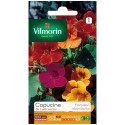
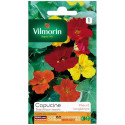
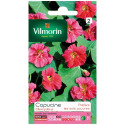
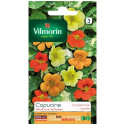
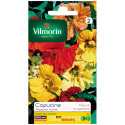
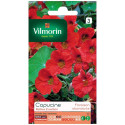
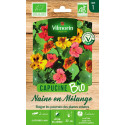
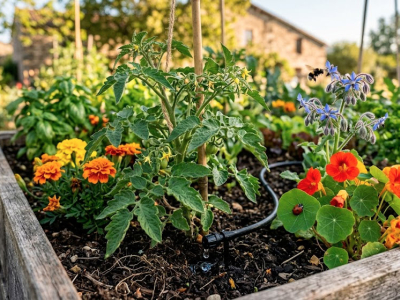
If you had to choose only two allies, these would be them. The Nasturtium is what we call a "trap plant". Its fragrance and the texture of its stems irresistibly attract black aphids. By planting nasturtiums at the base of your zucchini or tomatoes, you offer insects a lightning rod: they will colonize the flower and leave your vegetables alone. As a bonus, its flowers and leaves have a delicious peppery taste, similar to watercress, ideal for livening up your early summer salads.
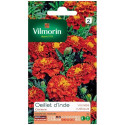
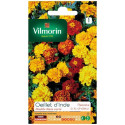
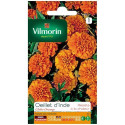
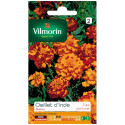
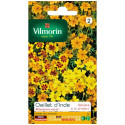
The Marigold (Tagetes) works underground. Its roots secrete thiophene, a natural substance that repels nematodes (small root-damaging worms) and flea beetles. It's the historic companion of the tomato. In a raised garden bed, intercropping a marigold plant every two tomato plants is life insurance for your harvest.
SUNFLOWERS AND BORAGE: THE BEACONS OF BIODIVERSITY
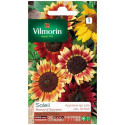
For your vegetables to produce fruits (zucchini, melons, tomatoes), you need pollinators. The Sunflower acts as a powerful visual signal for bumblebees and solitary bees. Its height allows you to structure the space and even serves as a natural support for climbing beans. Once the season is over, the seeds will feed the birds, thus closing the loop of your ecosystem.
Common Borage is another marvel. Nicknamed the "bee plant", it produces nectar so abundantly that bees visit it tirelessly. Its star-shaped blue flowers have a surprising taste of oyster or cucumber. It's also an excellent plant for the soil: its deep roots bring minerals to the surface, and once mown, it makes a mulch rich in potassium.
CALENDULAS: THE MEDICINE FLOWER OF THE GARDEN
The Calendula (Calendula officinalis) is the versatile ally par excellence. In addition to its medicinal properties for the skin, it repels aphids and certain types of carrot flies. Its roots decompact the soil and promote microbial life. In the kitchen garden, it's a flower that self-seeds from year to year, creating a lasting protective barrier. Its bright orange petals can be sprinkled on dishes to add color and a slight tonic bitter note.
| Companion flower | Associated vegetable | Major benefit |
|---|---|---|
| Marigold | Tomato / Pepper | Repels soil nematodes |
| Nasturtium | Cabbage / Zucchini | Attracts aphids (trap plant) |
| Calendula | Carrot / Lettuce | Repels flies and parasites |
| Borage | Strawberry / Cucumber | Boosts pollination |
IMPLEMENTATION: TECHNIQUE AND PRECISION
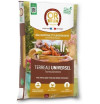
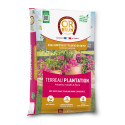
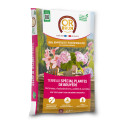
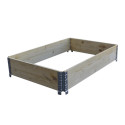
For these flowers to fully play their role, they must be cared for as much as your vegetables. A healthy ecosystem relies on rich growing medium. When preparing your raised garden beds, generously incorporate Or Brun universal potting soil. Its richness in organic matter will allow rapid growth of beneficial flowers, which will thus be able to protect your vegetables from their youngest age.
Equip yourself with your hand tools (Gardena transplanter for precision) and sow sparsely. Be careful with watering: edible flowers are sensitive to water stress, which can make their taste bitter. Installing micro-irrigation is the ideal solution to maintain constant humidity without wetting the foliage, thus limiting the appearance of powdery mildew on neighboring zucchini or calendulas.
Expert tip: Don't cut all your flowers for your salads! Leave at least 70% on the plant so they continue to attract beneficial insects (ladybugs, hoverflies) that will devour the aphids trapped by your nasturtiums.
CONCLUSION
Transforming your kitchen garden into an autonomous ecosystem is the most beautiful way to garden in 2026. It's a return to peasant common sense supported by modern logistics. By judiciously associating Nasturtiums, Calendulas and Borage with your vegetable crops, you reduce your treatment work, increase your harvests and create a garden that is magnificent to look at and to bite into. The kitchen garden is no longer just a source of food, it's a source of life. Get your seed packets ready, biodiversity is waiting for you!
What is the main problem in your kitchen garden?
Share this content